“News saturation overload is no longer an emerging phenomenon. It’s the elephant in the room, seemingly invisible, yet significantly impacting our mental health,” warns Myah Cooper, PR Executive at Hipnode. Yet, how many of us are aware of the toll it’s taking? And what are some practical steps towards a healthier relationship with news consumption, according to experts? Let’s dive in.
The Hazards of News Saturation
Media overload is casting a long shadow over our psychological well-being. A study by Pew Research Center revealed that barely a year after the outbreak of the pandemic, over half of U.S. adults stated they get their news either ‘often’ or ‘sometimes’ from social media. With media outlets often prioritizing negative or sensationalist news to gain clicks, a sizable fraction of the population is increasingly experiencing a specialized form of stress called ‘media saturation overload.’
Emerging phrases like ‘doomscrolling,’ ‘headline stress disorder,’ and ‘headline anxiety’ reflect the growing psychological strain. According to psychologists, a relentless flow of distressing headlines – from racial injustice, and climate change, to pandemic updates – without any respite, is contributing to this stress.
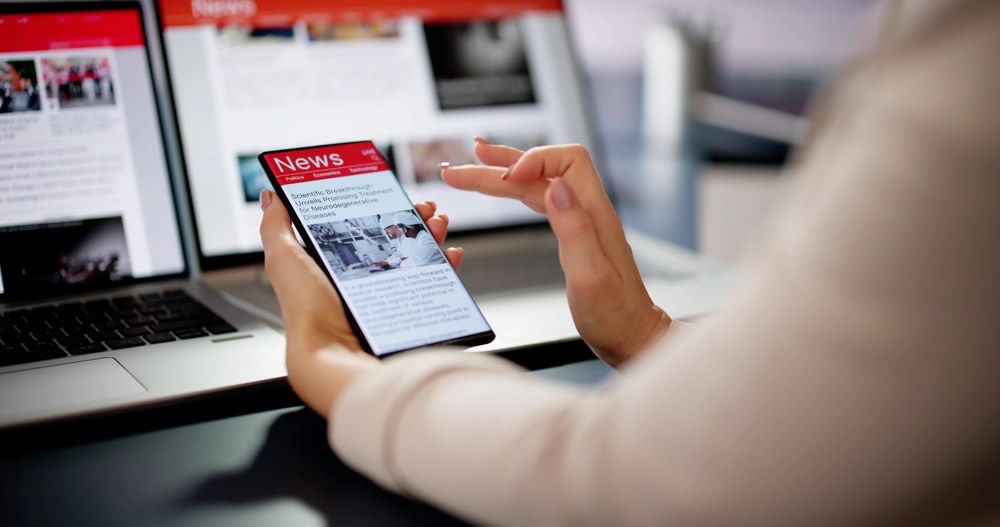
Alarmingly, this stress is disproportionately affecting young adults and women. Ongoing research reveals a strong association between news exposure (especially via social media and television) and symptoms of depression and post-traumatic stress disorder.
Five Signs You May Need a News Detox
Recognizing the following signs could help you decide if it’s time to consider a news detox:
- Regular feelings of overwhelm and anxiety after consuming the news.
- Trouble sleeping or constant worrying over news updates.
- Neglecting daily duties due to an obsession with the latest events.
- Feeling helpless, cynical, or continuously angry about global occurrences.
- Experiencing physical symptoms like headaches, a high heart rate, or increased blood pressure when watching or reading the news.
How to Get Started on Your News Detox: Expert Recommendations
According to experts, it is not necessary or even advisable to disconnect completely from the information sphere, as that could lead to the imagination running wild. Myah Cooper advises a “dietary media restriction” approach. Here are some strategies:

- Moderation: Limit your news consumption to specific durations during the day rather than continuous checking.
- Verification: Cross-check sensational news from different sources to validate its accuracy and avoid unnecessary stress.
- Healthy Breaks: Incorporate essential breaks from news outlets. This could involve switching off notifications during certain ‘quiet periods’ or dedicating specific days as ‘news-free’ days.
- Mindful Consumption: Be aware of your mental state while consuming news. If you find yourself feeling anxious or stressed, step back.
- Activity Substitution: Cultivate hobbies or activities that can serve as a refreshing distraction.
- Engagement: Instead of feeling helpless, engage healthily with issues that concern you; supporting a cause or participating in discussions may provide a sense of agency.
Mindful news consumption is an important aspect of attaining mental wellness in today’s hyperconnected world. Building habits for moderated and controlled news intake not only helps in fostering mental health but also contributes to a more informed and balanced perspective of the world. As Cooper aptly puts it, “In this era marked by relentless information streams, we must subscribe not just to news feeds, but also to mindful practices for our mental wellbeing.”
Not a morning person? Sleep coach explains how to become one