Despite fitness trends typically fading after a few months, the 12-3-30 treadmill workout continues to dominate social media feeds and gym floors in 2025, with new research confirming its effectiveness for cardiovascular health and strength building. But beyond fitness gains, there’s a lesser-known benefit catching attention: better sleep.
The workout, which involves walking on a treadmill at a 12% incline, 3 miles per hour, for 30 minutes, has maintained its popularity since going viral in 2020. This is a huge feat considering how other viral workouts have seen significant drops in engagement in comparison to this accessible fitness routine.
However, functional fitness experts warn that while the simplicity of 12-3-30 makes it appealing, many people may be approaching it wrong, potentially limiting results or risking injury.
Trond Nyland, CEO of Fynd and functional fitness expert, shares his thoughts on the trend:
“The beauty of the 12-3-30 workout is its accessibility, since you don’t need to be a runner or have extensive fitness experience to see results. But what many people miss is that success with this routine comes down to three critical factors: proper equipment, progressive adaptation, and consistency.”
Why It Works
Recent research published in 2025 confirms what fitness enthusiasts have been experiencing: the 12% incline activates the posterior chain muscles (glutes, hamstrings, and calves) significantly more than walking flat, while the steady pace creates an optimal fat-burning zone.
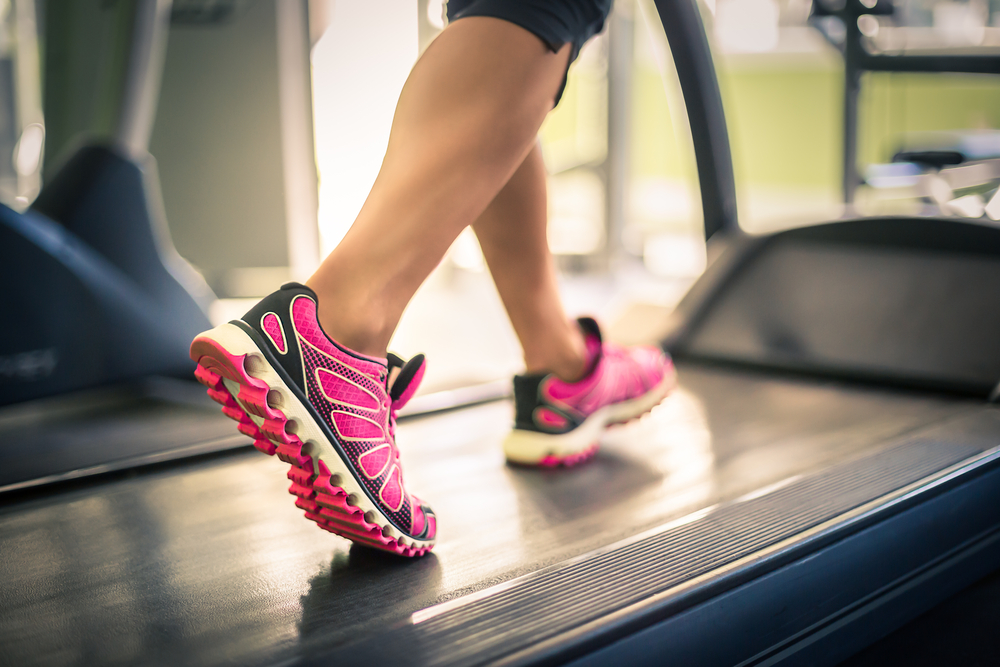
Walking at this specific incline forces your body to work against gravity in a way that mimics hiking uphill, essentially turning a simple walk into a resistance training session for your lower body while maintaining a heart rate that promotes cardiovascular adaptation. But it’s also this sustained, moderate-intensity movement that supports better sleep quality by lowering cortisol levels and helping to regulate your circadian rhythm—particularly when done earlier in the day.
Common Mistakes That Sabotage Results
Despite its simplicity, Nyland identifies several mistakes that prevent people from getting the full benefits:
Starting Too Aggressively
Most people jump straight to the full 12% incline without allowing their body to adapt. This leads to calf strain, lower back pain, and early burnout. There’s no rush—starting at an 8-10% incline and gradually increasing can not only protect your body but also reduce stress responses that may interfere with sleep.
Wearing the Wrong Footwear
Your regular running shoes might not provide the right support for incline walking. Look for shoes with enhanced heel cushioning and ankle support. Foot pain or discomfort from poor footwear can disrupt both your workouts and your post-exercise relaxation, which is key to winding down in the evening.
Holding the Handrails
This happens too often. Death-gripping the handrails while on the treadmill negates the core engagement benefits along with the overall effectiveness. If you find yourself needing to hold on for most of the session, the incline is too steep. When done correctly, the workout encourages natural posture and balance—helping your body release tension that can otherwise carry into the night.
Ignoring Recovery
This shouldn’t be a non-stop workout. Your calves and Achilles tendons need 48 hours to recover properly. There’s no need to push yourself—four to five sessions per week is optimal for most people. Overtraining can keep your nervous system in overdrive, which may interfere with deep, restful sleep.
Skipping the Warm-Up
Five minutes of flat walking before increasing the incline can prevent the majority of injuries that happen from this workout. Your muscles need time to prepare for the demand. Starting too abruptly can spike stress hormones—again, something that can linger into your evening routine and make it harder to fall asleep.
Nyland concludes:
“The 12-3-30 workout has staying power because it delivers results without requiring complex movements or extreme intensity. For busy professionals who want to improve their fitness without spending hours in the gym, this could be the sustainable solution they’ve been looking for.
Quality walking shoes with proper cushioning, moisture-wicking clothing that prevents chafing, and even the right water bottle that’s easy to access while walking—these little details matter when you’re committing to a regular routine.
Start gradually, invest in proper gear, and be consistent. The results will follow—whether you’re aiming for improved fitness or simply a better night’s sleep.”
What if brain fog wasn’t just stress, but your brain’s way of begging for better rest?