Britons struggling to sleep this summer are being told they could be feeling the impact of blue light.
The sleep experts from Winstons Beds are sharing ways to limit the effects of blue light in order to get a good night’s sleep.
Everyday electronic devices such as smartphones, computers, tablets and televisions emit blue light, which can suppress the body’s normal release of melatonin, a hormone that signals to bodies that it is time to rest.
This exposure can trick the body into thinking it is daytime, even in the middle of the night.
In order to limit the amount of blue light exposure, the sleep experts are suggesting simple changes to evening routines which induce less screen time.
Rebecca Swain from WinstonsBeds.com said: “Those seemingly harmless late night scroll sessions could be seriously affecting your circadian rhythm.
“That is why we wanted to share some ways to limit the negative impacts of blue light from your devices. We are all guilty of having a late night scroll in bed or watching TV into the late hours.
“But, many people don’t realise just how much that screentime can be wreaking havoc on our sleep cycles.
“There are some really straightforward ways to limit blue light exposure, including putting devices into night mode, using screen time limits or making a new no-phone evening routine.”
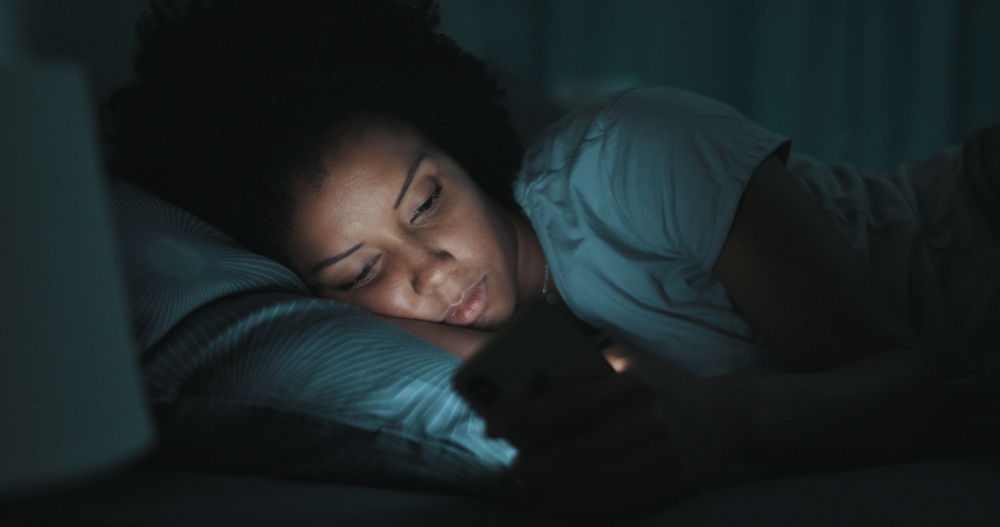
Here are some ways to limit blue light exposure, according to WinstonsBeds.com
- Make a new routine
You should set a recurring alarm on your phone each evening to remind you to wind down your phone use for the day. Reducing screen time at a similar time each day can really help your sleep routine.
- Invest in the right lighting
Lamps can still emit blue light, so if you need to have a lamp on to read in bed, try switching to a bulb that emits red or orange light rather than blue.
- Go into night mode
You may find that most of your devices offer a ‘night mode’ setting. A few hours before going to bed, switch to nighttime mode to avoid blue light exposure suppressing your melatonin levels. Night time mode shifts to a warmer light, which helps your body to prepare for rest.
- Block out unnecessary light
If you share a bed with someone who likes to keep the light on, or who uses their devices in bed, invest in a good-quality eye mask. This will help your mind and body to rest and fall into a deep, uninterrupted sleep.
- Limit screen time
If you struggle to force yourself to put down your phone before bed, you can use built-in features or third party apps to set daily time limits on your phone.
Struggling to Wake Up? Here’s Why Your Body Clock Could Be to Blame