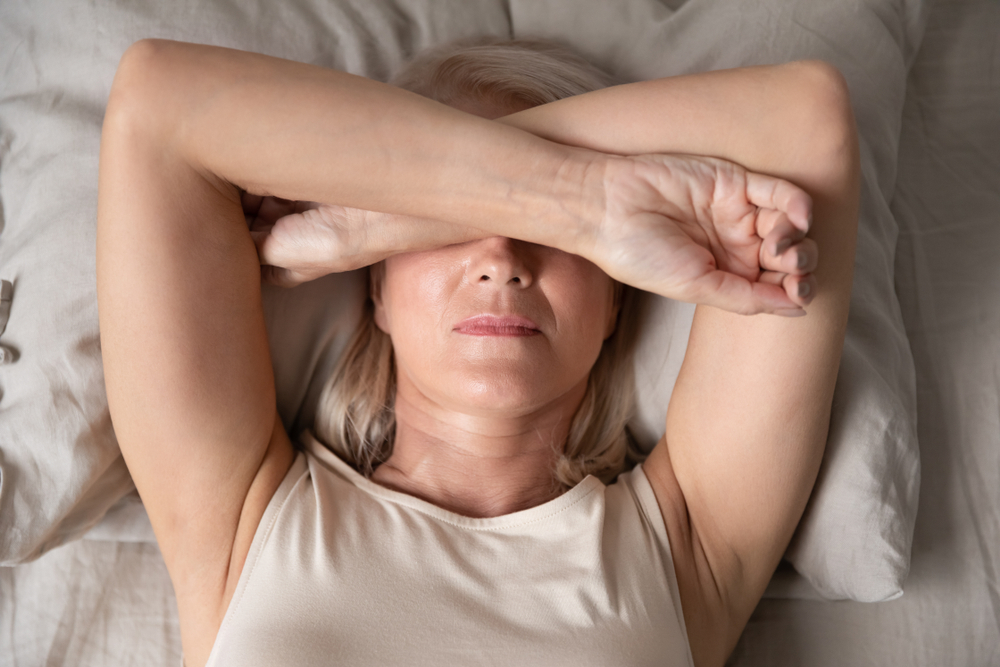
A restless mind never truly sleeps. More and more people are experiencing what experts call a “false start bedtime” — when you fall asleep, only to wake up again within the first hour. Sleep specialists suggest that your nighttime notification habits could be the culprit.
Research shows that many young adults, including college students, face significant sleep disturbances. According to the National Institutes of Health (NIH), 36% of U.S. young adults get less than the recommended seven hours of sleep per night.
One major factor is electronic device use at bedtime. A study on bedtime device habits found that using phones, tablets, or laptops before sleep is strongly associated with shorter self-reported sleep durations the following night. This highlights the importance of limiting device usage before bed and understanding how screen time impacts sleep quality.
While many think of insomnia as difficulty falling or staying asleep, sleep coaches are identifying this early wake-up phenomenon as a distinct form of disruption.
“You’re not fully rested, but your brain jolts you awake because it’s still in a high-alert state from everything it was processing right before bed — notifications, news, social media. This is a false start bedtime, and it’s more common than people think,” explains Rosie Osmun, certified sleep science coach at EachNight.com.

Why False Start Bedtimes Disrupt Deep Sleep
False start bedtimes typically occur within 60 to 90 minutes after falling asleep, often during the transition from light to deep sleep. If your brain hasn’t fully disengaged from stressors like phone pings, unread emails, or anxiety over that one unanswered message, it can trigger a cortisol spike that interrupts your body’s natural progression into restorative sleep.
Common Causes of False Start Bedtimes:
- Notification anxiety and fear of missing out (FOMO)
- Blue light exposure suppressing melatonin production
- Emotional overstimulation from doomscrolling
- Alcohol or caffeine consumed too late in the day
- Lack of a consistent pre-sleep wind-down routine
How to Reduce False Start Bedtime
- Set a tech curfew: Turn off devices at least 60 minutes before bedtime.
- Keep a sleep journal: Write down your thoughts to clear your mind before sleep.
- Turn off push notifications or enable “Do Not Disturb” mode from 9 PM onward.
- Swap screen time for analog activities like reading a book or practicing deep breathing exercises.
- Maintain a consistent bedtime, even on weekends.
“I recommend thinking of bedtime like landing a plane: you can’t just crash into sleep. You have to descend gradually,” Osmun advises. “If your brain is still cruising at 30,000 feet because of work emails or TikTok trends, your body won’t transition properly into restorative rest. Reducing screen stimulation and building a calming wind-down routine can make a huge difference, even if it’s just for 30 minutes before lights out.”
TikTok Sleep Hacks: What Actually Works vs. What’s Just a Trend