
MORE than 83% of women suffer from broken sleep due to menopause symptoms, according to the most recent survey from leading natural bedding brand Woolroom and British Wool.
From relentless night sweats to increased anxiety, menopausal women will experience an average of 219 disrupted nights of sleep every year. During menopause, your oestrogen levels can fluctuate, which confuses the hypothalamus – the part of your brain that regulates body temperature – causing it to believe you’re overheating. To combat this, the hypothalamus tries to quickly cool your body down, dilating blood vessels to release heat and prompting perspiration.
As World Menopause Awareness Month approaches this October, Chris Tattersall, sleep expert and managing director at Woolroom, Britain’s leading natural bedding specialist, shares his expert advice on how to manage menopause-related sleep troubles and sleep comfortably through the night.
- Choose natural bedding
Synthetic materials, such as polyester and memory foam, trap in heat and moisture. This means any hot flushes or night sweats will likely leave you and your sleep environment very damp and highly uncomfortable.
Bedding made from natural materials, such as wool duvets and wool mattress toppers, is made of breathable fibres that let air circulate and transport moisture away from your body. A study by Woolroom and the University of Leeds found that wool bedding allowed 43% more moisture transmission than polyester and a massive 67% more than feather and down, meaning a larger amount of moisture was diffused across eight hours, therefore allowing you to sleep throughout the night with less disruption.

- Wear breathable pyjamas
The same logic for bedding applies to your pyjamas. When a hot flush strikes, you want to be wearing materials that allow your skin to breathe without feeling clammy. Cotton and linen are wonderful options, with cotton able to absorb up to 10% of its weight in moisture. Its natural fibres ‘breathe’ by absorbing the moisture, such as perspiration, away from your body and releasing it into the air, meaning you stay dry and comfortable.
- Create a relaxing routine
Reducing your stress before sleep can help reduce symptoms of anxiety and restlessness that so often come with menopause. Create a calming routine to help you wind down and signal to your brain that it is time for sleep. Gentle yoga, meditation or simply reading a book are all rituals that will help lower your cortisol and allow you to rest easier.
Practising breathing exercises will also help if you find yourself awoken during the night, with studies showing that rhythmic deep breathing can help you get back to sleep.
- Keep cool water close by
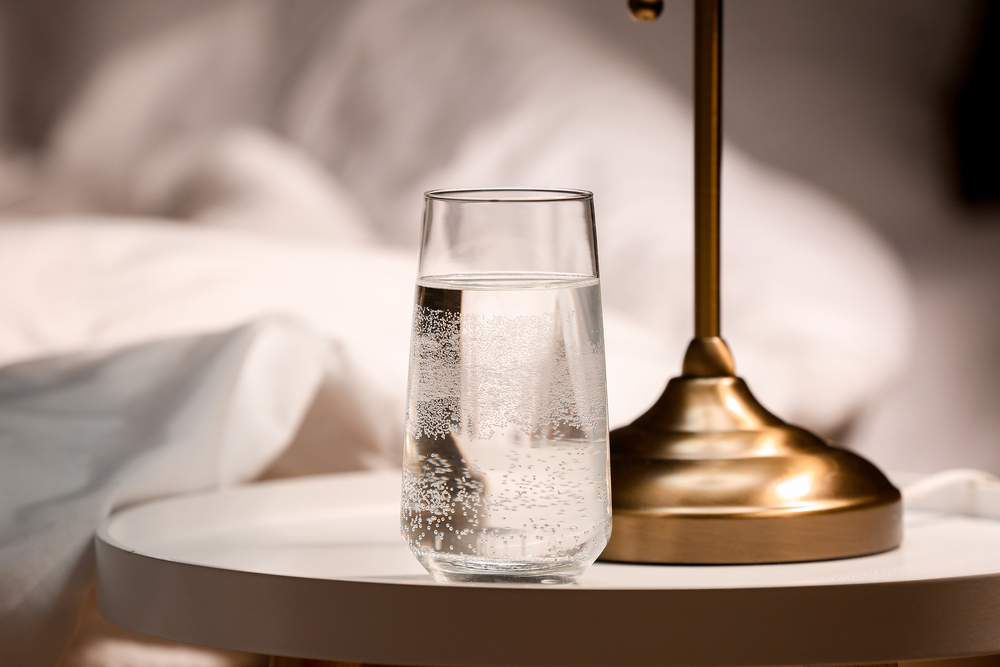
Keeping a glass of cold water on standby is always a foolproof way to quickly cool yourself down when a hot flush creeps up on you, or if you wake from night sweats.
Other simple tricks include keeping a spray or atomiser on your bedside table to spritz your face with cool water. Alternatively, pop a hot water bottle in the freezer a few hours before bed to grab if you need instant cooling.
- Increase your cardio-respiratory fitness
Increasing your exercise levels is important for anyone looking to improve their sleep quality, but particularly for those battling menopause symptoms. Exercise that improves your cardio-respiratory fitness, such as yoga, walking and swimming, has been shown to help balance your hormones and reduce symptoms of menopause.
Aim for around half an hour of movement each day but try to avoid any intense workouts close to bedtime as this could have the opposite effect.
- Avoid food and drink that triggers hot flushes
Certain foods and drinks can exacerbate symptoms of hot flushes and night sweats, so I would advise avoiding these for at least a couple of hours before bed. Common culprits include alcohol, caffeine and spicy food, so try to limit or avoid these where possible.
If you do like a warm drink in the evening, opt for herbal teas such as chamomile and peppermint to support relaxation.
To explore Woolroom’s full range of natural and hypoallergenic bedding visit: https://www.thewoolroom.com/
Sleep Better This Autumn: Why Your Mattress Needs a Seasonal Refresh