
7 Surprising Bedroom Mistakes That Are Costing You More on Heating
When the days turn cold, it’s natural to turn the heating up. However, what many people don’t realise is that many common bedroom mistakes could be undoing their efforts to keep their bedroom warm.
For example, did you know that certain bed bases leak heat? Or that you shouldn’t sleep in cotton sheets at night?
Below, Martin Seeley, the CEO at MattressNextDay, has shared seven surprising bedroom mistakes that could be making your bedroom colder and costing you more on your energy bill.
To help, he’s even shared the simple fixes that can help you sleep warmer while keeping energy costs down.
- Don’t use cotton sheets in winter – they keep you cool
“Bedding fabrics make a bigger difference than people think. Cotton sheets may feel fresh, but they wick heat and moisture away from your body, which can leave you shivering on cooler nights. That often leads people to turn the heating on for longer than they need.
“However, switching to brushed cotton, flannel or wool blends creates a cocooning warmth that stabilises your body temperature. It means you can sleep comfortably even if the thermostat is set a degree or two lower – and just that small change can save up to £80 a year on bills.”
How to fix it: Swap summer bedding for brushed cotton or flannel to hold in warmth more effectively.
- Don’t ignore what’s under your bed – your base could be leaking heat
“People often think a duvet is the main culprit when they feel cold at night, but heat can also escape from below. A slatted bed frame with wide gaps allows cold air to circulate beneath the mattress, pulling warmth away from your body. It is the equivalent of sleeping above a draughty vent.
“When your mattress isn’t insulated properly, you are far more likely to keep the heating on for longer. With energy bills rising, this is an easy fix. A mattress topper or a base with fewer gaps creates a barrier that traps warmth where you need it most, meaning you can comfortably turn the thermostat down.”
How to fix it: Add a mattress topper for extra insulation or consider a solid base to stop cold air from moving freely under your bed.
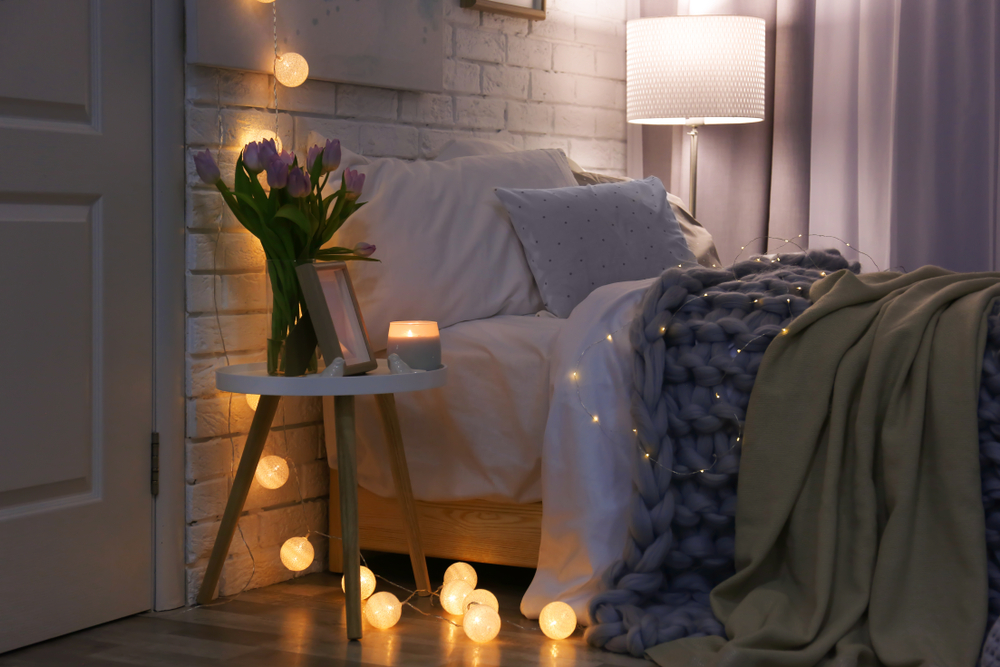
- Don’t rely on thin curtains – you’re letting a fifth of your home’s heat escape
“Windows are one of the biggest sources of heat loss in a bedroom, yet many people rely on flimsy blinds or unlined curtains. Glass bleeds warmth quickly, and once the temperature drops outside, it’s like trying to heat a room with the window half open.
“What’s more, research shows that around 18% of a home’s heat is lost through windows, which means your radiator is working overtime and your bills are creeping up. Luckily, the fix is simple: switching to thermal curtains helps create an invisible blanket over the glass, holding in the heat that you’ve already paid for.”
How to fix it: Invest in lined or thermal curtains and close them as soon as the sun sets to trap warmth inside.
- Don’t leave floors bare – wooden and laminate surfaces drain warmth fast
“Wooden or laminate floors may look sleek, but they act like giant cold plates underfoot. Heat naturally rises, so your floor remains the coldest surface in the room. That chill radiates upwards, cooling the entire space and making heating less efficient.
“That’s why I’d recommend adding a thick rug if you have wooden floors. It helps trap warm air where you need it most and stops heat escaping through the floor. If you are running the heating, rugs make sure every degree of warmth stretches further, helping you keep energy costs down.”
How to fix it: Place rugs beside your bed to trap warmth and reduce heat loss through flooring.
- Don’t use just one duvet – layer up instead
“One thick duvet might seem like the best option for warmth, but it can be surprisingly inefficient. A single heavy layer traps less heat than two lighter layers with air pockets in between. That trapped air acts as natural insulation, the same way layering clothes works in winter.
“If your duvet leaves you cold, the first instinct is often to boost the heating, but layering your bedding is a much smarter way to stay warm without increasing bills. It also allows you to adjust your temperature more easily if you start to overheat during the night.”
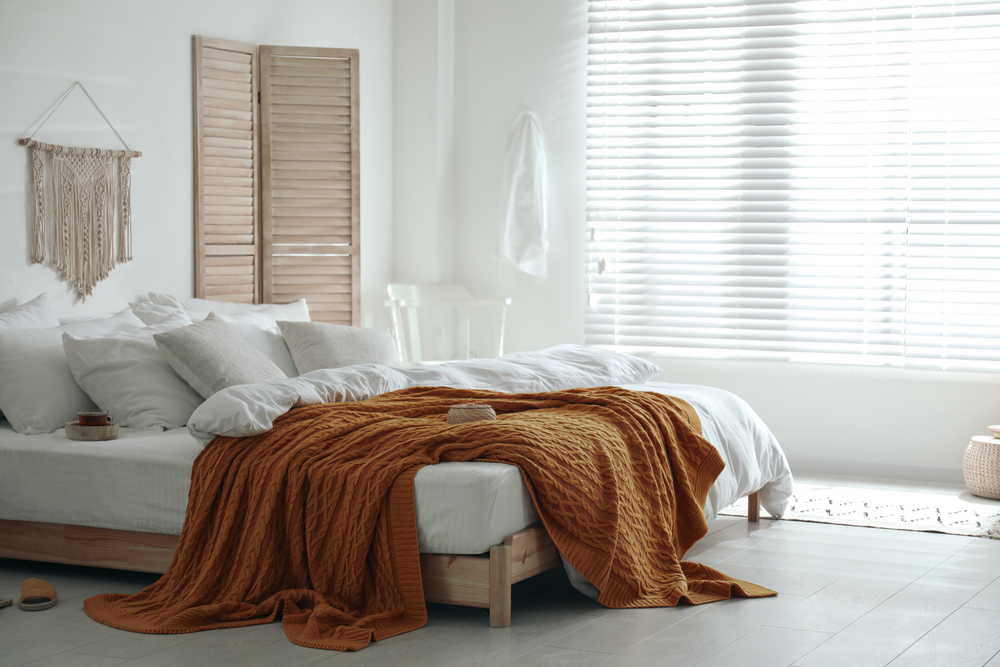
How to fix it: Layer two lighter duvets or blankets instead of relying on one heavy option.
- Don’t sleep beside a radiator – it’s drying out your room and mattress
“Many people place their bed directly beside a radiator, assuming it makes the space warmer. In reality, that constant stream of dry heat not only damages your mattress by drying out fibres and foam but also parches your skin and throat.
“Worse, it means your radiator is working harder to heat an area that immediately loses moisture. Dry air feels cooler to breathe, so you end up keeping the heating on longer to feel comfortable. That combination raises bills and leaves you less rested.”
How to fix it: Keep your bed at least 20cm from radiators and place a small bowl of water nearby to restore humidity.
- Don’t get into bed cold – you’re forcing your body to work overtime
“At the end of the day, your body is the main radiator in your bed. If you climb under the covers with icy feet, it can take hours for your body heat to build up. That’s when many people resort to leaving the heating on overnight, which pushes bills up dramatically.
“A warm shower, a hot water bottle, or even wearing socks in bed ensures you bring the warmth with you. Once you are warm at the start, your duvet can retain that heat far more effectively, meaning you don’t need to waste money heating the whole room.”
How to fix it: Warm yourself before bed so your body sets the temperature under the duvet and reduces the need for overnight heating.
If you’ve ever wondered how to get better sleep, Sleep Magazine offers expert tips and simple habits to transform your nights.