
Is Your Bed Making You Sick? 7 Ways Your Bedroom Could Trigger Illness This Winter
Feeling tired, sniffly or run down this winter? The culprit might not be the colder weather but your own bedroom. Poor air quality, hidden mould and even your mattress could all be quietly affecting your immune system without you realising.
To uncover why, MattressNextDay teamed up with Dr Menachem Jacobs, Resident Physician at Yale New Haven Hospital, and Martin Seeley, the company’s CEO, to reveal how your sleep space can impact your wellbeing, and what you can do to stay healthy as the nights draw in.
- Your mattress could be harbouring half a million dust mites
Dr Jacobs explains, “As soon as the heating goes on, the warm, humid air creates perfect conditions for dust mites to thrive. By the time autumn arrives, a double mattress can contain more than half a million of them. These microscopic creatures feed on the skin cells we shed at night and leave behind droppings that are a leading trigger for indoor allergies.
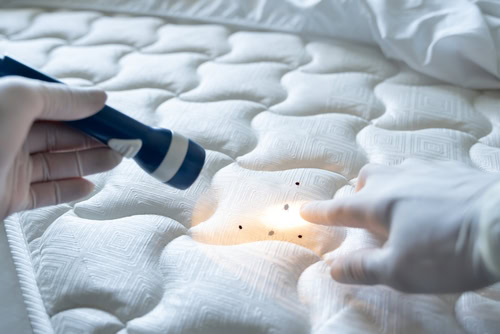
“For people with asthma or eczema, symptoms can feel like a seasonal flare-up, but it’s often the mattress fuelling the problem. Many assume hay fever is a summer issue, yet in countless households, autumn brings a second wave of sneezing and itchy eyes caused by mites multiplying under the duvet.”
Martin adds, “Once dust mites settle deep into a mattress, they are almost impossible to get rid of, so prevention is key. I always recommend using a zipped, hypoallergenic mattress protector, and washing your bedding weekly at 60°C so allergens do not get a chance to build up.”
- Cold walls can make you sick in your sleep
Dr Jacobs explains, “Beds are often placed against external walls to save space, but in the colder months, those walls can become very cold, especially in older or poorly insulated homes. Sleeping close to a cold surface can make it harder for your body to maintain its temperature and may leave you feeling achy or run down. While it might not directly weaken your immune system, discomfort and poor sleep quality can still take a toll on your overall well-being.”

Martin says, “I see this all the time. People squeeze their bed into a corner and do not realise how much cold can come through the wall. If you can, pull the bed out just a little bit. Even 20 or 30 centimetres of space makes a big difference. It stops that icy air from hitting you in the night and lets the mattress breathe properly.”
- You sweat enough in autumn nights to fill a pint glass
Dr Jacobs explains, “As the nights get longer, we naturally spend more time in bed, and during that time, the average person releases around half a litre of moisture through sweat and breathing. That’s enough to fill a pint glass by morning.
“With windows closed to keep in the warmth, much of that moisture is absorbed by the mattress, creating a damp environment where bacteria and fungi can thrive. Over time, this can lead to musty odours and even trigger skin irritation or congestion.”
Martin adds, “Most people do not realise how much moisture their mattress takes in every night. That’s why it’s important to strip your bed once a week and give it a few hours to air out before making your bed each morning. Crack a window for a bit, too. You will notice the whole room smells fresher and feels lighter.”
- Radiators dry out your mattress and your body
Martin says, “When the heating is on, lots of people keep their bed right next to the radiator without thinking about it. That steady dry heat can really wear out a mattress over time as the foams dry out, the fabric gets brittle, and the whole thing starts to feel less supportive. Try to leave around 20 to 30 centimetres between your bed and the radiator. It is just enough space to protect the mattress from heat damage and keep the room feeling more comfortable.”
Dr Jacob confirms the importance of doing this, “Dry indoor air can also affect your health. It pulls moisture from your skin and throat, leading to cracked lips, dry eyes and irritation in the airways. For people with asthma or respiratory sensitivities, that dryness can make it harder to breathe and get quality sleep.”
- Hidden mould can spread without you seeing it
Dr Jacobs says, “Autumn is the dampest season, with cooler nights leading to condensation on walls and windows. If your bed sits tight against a cold wall, the mattress can trap this moisture and create a hidden pocket where mould grows. The dangerous part is that you may never see the mould, yet spores can spread invisibly through the mattress fabric. These spores can worsen allergies and cause coughing fits. Many families spend months treating what they think are recurring colds without realising the real culprit is a mouldy bed.”
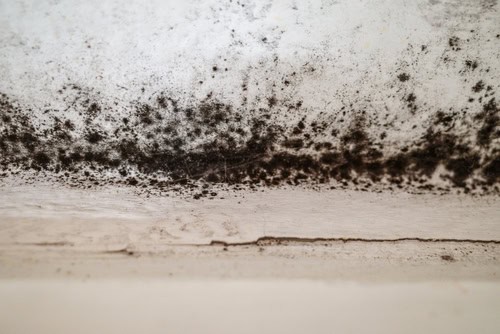
Martin says, “Mould loves dark, damp corners, so small habits make a big difference. Rotate your mattress once a month, wipe away condensation from the walls each morning, and open your curtains to let the sunlight in. Natural light helps dry the space and stops mould from settling in the first place.”
- Germs linger in autumn bedding for up to a week
Dr Jacobs says, “With flu season starting in autumn, your bed becomes a hotspot for germs. Viruses and bacteria can survive in warm bedding for days, which means if one person in the household is ill, the infection can easily spread back and forth through shared sheets and duvets. Many people assume washing every couple of weeks is enough, but that allows germs to linger. Without realising it, your bed can end up keeping the illness going.”
Martin advises, “If someone in your home is unwell, go beyond just washing the sheets. Freshen the whole bed by airing the duvet, spritzing the mattress with a fabric-safe disinfectant spray, and changing pillowcases more often than usual. It is a simple way to stop germs spreading and keep your bed feeling fresh between washes.”
- Overheating stops your body from fighting infection
Dr Jacobs says, “To recover from illness, your body needs deep, uninterrupted sleep, but autumn makes that harder than you think. Thicker duvets, extra blankets and central heating all keep your body too warm. When your core temperature does not drop properly at night, your body cannot enter the deepest sleep stages that help your immune system repair itself. The result is waking up feeling drained and more likely to catch whatever bug is going around.”
Martin adds, “If you wake up feeling hot and restless, it is a sign your bedroom might be too warm. Try using breathable cotton sheets and lighter layers instead of a heavy duvet. You could also switch to a mattress with cooling technology or use a topper that helps regulate temperature. Around 18 degrees is ideal for staying cosy without overheating.”
A final comment
Martin says, “Your bedroom should support your health, not harm it. With a few small changes, you can create a cleaner, calmer space that helps your body rest, recover and stay well through the colder months.”
By paying attention to how your space affects your sleep, you can turn your bedroom back into what it is meant to be: a place to recharge, not a reason you feel run down.