
Cheese has been a beloved staple for centuries, enjoyed worldwide in countless varieties—from creamy Camembert to sharp Cheddar and bold blue cheeses to mild mozzarellas.
Our love affair spans festivals and even quirky cheese rolling competitions, but beyond its rich flavour, cheese contains compounds that might actually influence our sleep patterns and dreams.
We’ve all heard the old wives’ tale that eating cheese before bed can lead to vivid or even strange dreams. But can a dairy-laden snack really influence what happens in our sleep? Does cheese give you weird dreams?
One of the key suspects is tyramine, a naturally occurring compound in aged cheeses. Tyramine can affect neurotransmitters in the brain, including dopamine and norepinephrine, which play roles in regulating mood and alertness[1].
UK bed specialist Bensons for Beds has partnered with dreams expert, Joanne Jones from Trusted Psychics, to explain why cheese could have the ability to influence your dreams, and why ‘cheese dreams’ may not just be a myth.
“From a mind-body perspective, the gut is often called our “second brain,” and what we eat before bed can quietly influence how our brain behaves during sleep. Cheese, especially those rich in tryptophan or tyramine, can promote deeper REM sleep, the stage when dreams are at their most vivid and memorable.
“But it’s not just biology: food carries emotional weight too. The smell, the texture, even the memories tied to certain cheeses can stir something deeper as we drift off. That’s why some cheeses seem to guide us toward certain dream themes: a bit of brie might lead to something soft and comforting, while Stilton can take your cheese dreams in a more surreal direction.

“We still don’t fully understand why certain foods shape our dreams in such specific ways, but the patterns are hard to ignore. For some, cheese may act as a quiet prompt to the subconscious, stirring up feelings we’ve set aside during the day. It doesn’t just influence how we sleep, it helps shape the kinds of stories our mind chooses to dream about.”
So, do you really get bad dreams after eating cheese? Historically, there have been studies and anecdotes supporting this idea. In 1964, a psychiatrist observed that a patient’s nightmares disappeared after cutting out their nightly cheddar snack. More recently, a 2005 cheese and dreams study, funded by the British Cheese Board, examined the dreams of volunteers after eating different types of cheese before bed.
The results? Blue cheese was linked to ‘wacky’ dreams, whilst Cheddar inspired dreams about celebrities. Red Leicester conjured up nostalgic memories, Lancashire cheese produced dreams related to work, and Brie generated ‘nice’ dreams that made you smile.
Jones explains why these cheeses could trigger certain dreams and what these dreams mean.
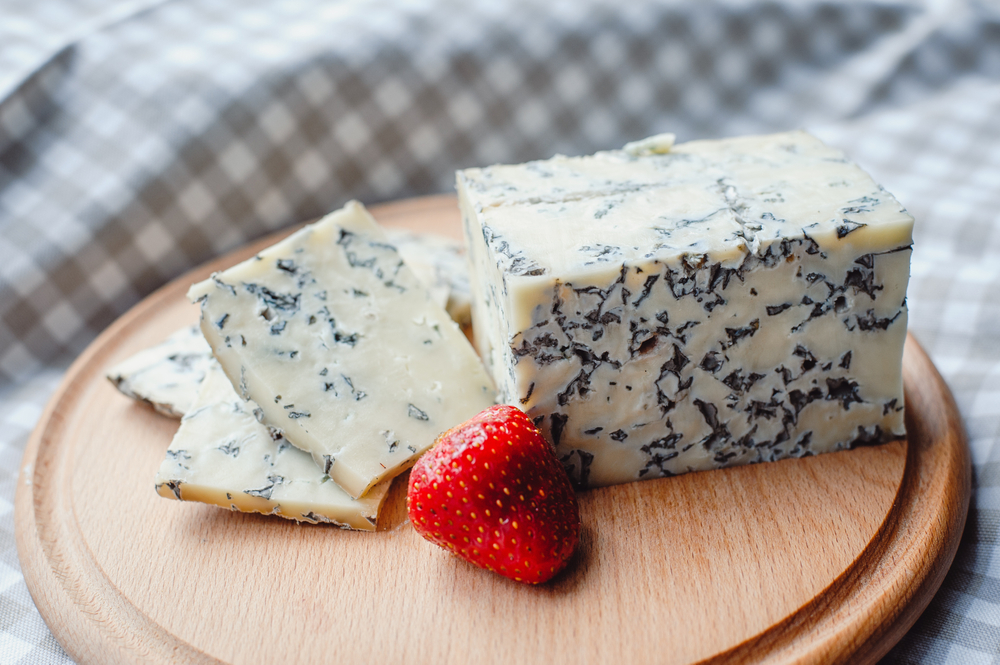
Blue Cheese Dreams – Weird & Wacky
“Blue cheese has a bit of a reputation – and for good reason. Not only does it have a strong smell and taste, but it’s also rich in compounds like tyramine, which can spark more brain activity during sleep, and it’s known for triggering some of the most bizarre dreams out there. Think surreal plots, talking animals, and situations that make absolutely no sense but somehow feel completely normal in the moment.
“These cheese dreams aren’t usually frightening, they’re just wonderfully odd and in many cases, they’re your mind’s way of blowing off steam or working through emotions without the usual rules getting in the way. You’re not meant to interpret every detail or take everything as a sign. It’s more about the feeling, flow, and creativity than the logic.
“So, if you find yourself waking up wondering why your postman had a flamingo for a head, don’t panic. Blue cheese dreams are rarely serious – they’re just your imagination running wild and showing off its unapologetically weird side.”
Cheddar Cheese Dreams – Celeb Connections
“Cheddar is the classic comfort cheese. It’s familiar, dependable, and quietly indulgent, and interestingly, it seems to bring out the stars in our sleep. People who snack on cheddar before bed often report dreams filled with celebrities: actors, singers, influencers – the whole A-list.
“But these dreams aren’t usually about fame in the literal sense. Celebrities in dreams often act as stand-ins for qualities we admire or desire, such as their unbridled confidence, charisma, freedom, or success. They also might reflect a need to be noticed, a craving for recognition, or just a nudge from the subconscious to step into the spotlight a bit more in our waking lives.
“There’s also an element of escapism here. Seeing someone you admire, whose work you like, or even just someone well-known, in your dream can make the experience feel vivid, exciting, and a little larger than life, almost like your own private red carpet event.”

Red Leicester Dreams – Pure Nostalgia
“Red Leicester has a comforting, nostalgic quality with a no-frills warmth that feels deeply familiar, so when it affects your dreams, it often takes you back in time. Think childhood homes, long-forgotten toys, school days, or family holidays. These dreams aren’t just memories, they’re emotional replays, full of mood and meaning.
“Dreaming about your childhood doesn’t necessarily mean you’re stuck in the past. More often, it signals that your mind is craving comfort, safety, or simplicity. Life gets noisy, and sometimes the subconscious just wants to take a detour to a time or place that feels more secure and provides comfort, even if only for a few hours.
“These dreams can be surprisingly vivid and emotionally charged, and you might wake up with a sudden urge to call your mum, dig out an old photo album, or cook something you loved as a kid. It’s a gentle emotional reset and a reminder of where you’ve come from and what shaped you.”
Lancashire Dreams – Work Work Work
“Lancashire cheese is practical, no-nonsense, and slightly crumbly – a bit like a long day at the office. It’s perhaps no surprise, then, that people who eat it before bed often find themselves dreaming about work. Not just vague “I’m running late” dreams, but full-fledged office dramas: emails, meetings, awkward conversations, even full-blown presentations.
“These dreams usually show up when your brain’s struggling to switch off. If work’s been particularly demanding – or if you’re carrying stress into your evenings – your subconscious may keep the lights on well after your laptop’s closed. The content can vary wildly, but the themes tend to centre around performance, pressure, or control.
“Interestingly, not all work dreams are stressful. Some are oddly productive – you might find yourself solving a problem in your sleep or coming up with an idea that sticks the next day. It’s your brain trying to get ahead, even when you’re meant to be resting.”
British Brie Dreams – Wholesome Fantasy
“Brie is soft, mellow, and just the right side of indulgent, and for many, it’s a gateway to the cosiest kind of dreaming. People often describe dreams they have after they eat brie as warm, familiar, and strangely comforting: think cooking with someone you love, pottering in a sunny kitchen, or enjoying a moment of calm with no chaos in sight.
“These aren’t dreams that demand interpretation, they’re simply restful. They tend to come when your brain wants to be soothed rather than try to solve something and happen when you need comfort rather than confrontation. It’s like your subconscious has lit a scented candle, popped the kettle on, and told everything else to wait until morning.
“And while they might not feature grand storylines or surreal imagery, that’s kind of the point. Brie dreams are all about emotional ease, and they act as a gentle signal that your system is winding down well. They also often leave you waking up feeling relaxed and grounded, even if you can’t remember all the details.”
Bensons for Beds has collated the following recipes that are rich in dream inducing ingredients to help promote better sleep:
Ooey-Gooey Grape Grilled Cheese with Brie & Blue Cheese
Ingredients: Brie, blue cheese, red seedless grapes, honey, artisan bread
Recipe: This sandwich combines creamy brie and tangy blue cheese with juicy grapes and a drizzle of honey, all melted between slices of artisan bread.
Sleep Benefits:
- Brie & Blue Cheese: Rich in tryptophan, an amino acid that the body uses to produce serotonin and melatonin, hormones that regulate sleep.[2]
- Grapes: Naturally contain melatonin, which can help regulate the sleep-wake cycle.[3]
- Honey: Provides a small insulin spike, allowing tryptophan to enter the brain more easily[4]
Blue Cheese and Fig Toast
Ingredients: Blue cheese, fresh figs, whole grain bread, honey
Recipe: Top toasted whole grain bread with slices of fresh figs and crumbled blue cheese, drizzled with honey.
Sleep Benefits:
- Blue Cheese: Contains tryptophan, promoting sleep hormone production.
- Figs: Rich in magnesium, potassium, and calcium, minerals that help regulate sleep.[5]
- Whole Grain Bread: Provides complex carbohydrates that assist in tryptophan transport.
Cheddar and Spinach Macaroni Bake
Ingredients: Whole-grain macaroni, sharp cheddar cheese, spinach, milk, eggs, garlic, onions
Recipe: Cook whole-grain macaroni until al dente. In a saucepan, sauté chopped onions and garlic until translucent. Add fresh spinach and cook until wilted. In a separate bowl, whisk together eggs and milk, then stir in shredded cheddar cheese. Combine the cooked pasta, sautéed vegetables, and cheese mixture in a baking dish. Bake at 180°C (350°F) for 25–30 minutes until the top is golden and the casserole is set.
Sleep Benefits:
- Cheddar Cheese: Rich in tryptophan, an amino acid that the body uses to produce serotonin and melatonin, hormones that regulate sleep.
- Spinach: High in magnesium, which helps relax muscles and nerves, promoting better sleep.
- Milk: Contains both tryptophan and calcium; calcium helps the brain use tryptophan to manufacture melatonin.[6]
- Eggs: A good source of tryptophan and melatonin, supporting sleep quality.
- Whole-Grain Pasta: Provides complex carbohydrates that help transport tryptophan to the brain, enhancing serotonin and melatonin production.
Lancashire Cheese & Spinach Pie
Ingredients: Lancashire cheese, spinach, eggs, milk, whole-grain pastry, onions
Recipe: Sauté chopped spinach and onions until softened. In a bowl, whisk together eggs and milk, then stir in grated Lancashire cheese and the sautéed vegetables. Pour the mixture into a whole-grain pastry crust and bake at 180°C (350°F) for 35–40 minutes until set and golden.
Sleep Benefits:
- Lancashire Cheese: Rich in tryptophan and calcium, which aid in the production of melatonin, the sleep-regulating hormone.
- Spinach: High in magnesium, promoting muscle relaxation and better sleep quality.
- Eggs: Provide tryptophan and melatonin, supporting sleep cycles.
- Whole-Grain Pastry: Offers complex carbohydrates that help transport tryptophan to the brain, enhancing serotonin and melatonin production.
Sautéed Mushrooms with Thyme and Aged Red Leicester on Homemade Bread
Ingredients: Aged Red Leicester cheese, mushrooms, thyme, white wine, homemade bread
Recipe: Sautéed mushrooms with thyme and white wine are served atop slices of homemade bread, topped with aged Red Leicester cheese.
Sleep Benefits:
- Aged Red Leicester: Contains higher levels of tryptophan due to the aging process.
- Mushrooms: Provide vitamin D.[7]
- Thyme: Promotes relaxation[8]
For further information on how you can improve your sleep quality visit the Bensons for Beds website.