In an era where social media dictates much of our daily routines, it’s no surprise that platforms like TikTok have become a go-to source for wellness advice.
From skincare to diet and even sleep hygiene, users are inundated with tips promising better health and wellbeing. However, with so much information available at the swipe of a finger, it can be difficult to separate helpful advice from well-intended yet often misleading myths.
Alison Jones, a sleep expert with over 14 years of experience at leading mattress brand Sealy UK, takes a closer look at the latest viral sleep trends sweeping TikTok. She unpicks which tips are truly beneficial – and what social media fad is better left alone.
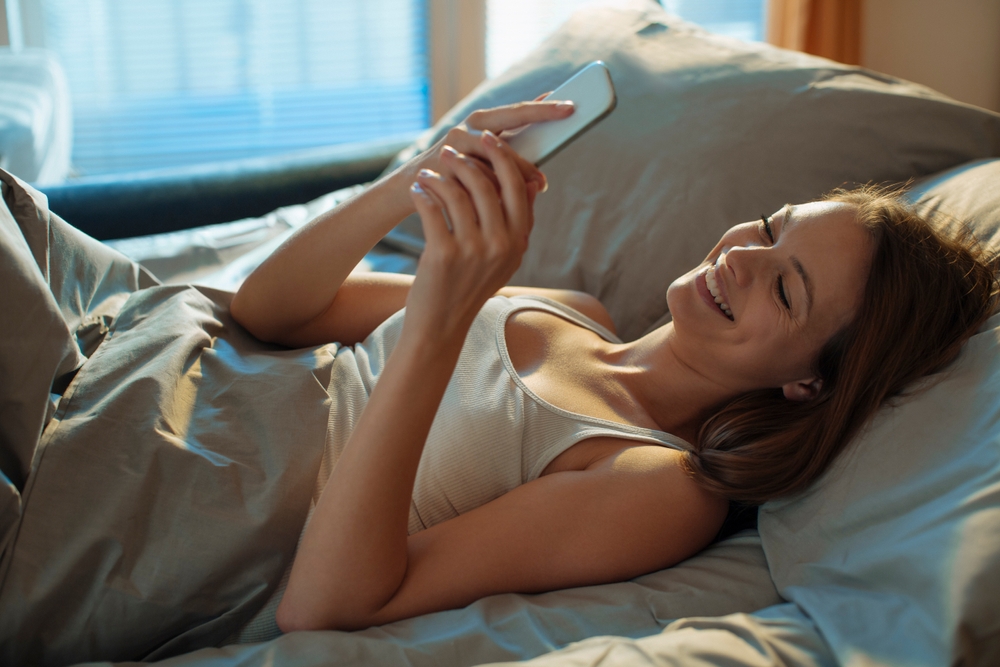
The ‘Sleepmaxxing’ obsession
One of the latest buzzwords circulating on TikTok is ‘sleepmaxxing’ – a trend that encourages people to take sleep to the next level by creating elaborate bedtime routines, investing in luxury sleep accessories, and tracking their sleep data obsessively. Advocates of the trend argue that optimising every aspect of sleep will lead to better overall health, productivity, and mood.
While prioritising sleep is undeniably a good thing, an obsession with ‘perfecting’ sleep could lead to heightened anxiety around bedtime – making it harder, not easier, to drift off. The key to quality sleep is consistency and balance, not overcomplicating things with excessive rituals. Sticking to a regular sleep schedule, ensuring your bedroom is a restful environment, and listening to your body’s natural sleep cues are far more effective than micromanaging every aspect of your slumber.
For those looking to improve their sleep, focus on core sleep hygiene principles: avoiding caffeine in the afternoon, limiting screen time before bed, and ensuring your mattress and pillows provide the right support.
The ‘House tour’ sleep hack
One of the more unique sleep trends making the rounds on TikTok involves visualising that you’re ‘walking through’ a familiar house that isn’t your own, as a way to fall asleep. The idea is that by visualising a different, relaxing place, the brain is distracted from anxious thoughts, making it easier to drift off.
While some users swear by this method, its effectiveness will vary from person to person. For those who struggle with racing thoughts at night, guided visualisation can certainly be a useful relaxation tool. However, this technique is not a guaranteed fix for sleep problems. If stress or anxiety are causing sleeplessness, addressing those root causes will be far more beneficial in the long run.
There are other tried-and-tested relaxation techniques for those who struggle to ‘switch off’, such as slower, deep breathing, progressive muscle relaxation, or listening to brown noise – a deeper, low-frequency sound similar to distant thunder, which can help block out distractions and encourage restfulness.
The bottom line: approach sleep trends with caution
Social media can offer a wealth of sleep-related information and advice. But a word of warning – approach with caution.
Instead, consider proven methods of improving sleep, before resorting to social media ‘quick fixes’ – such as keeping your bedroom temperature between 16-18 degrees Celsius, sticking to a rigid bedtime schedule, eating well and exercising, and investing in a quality mattress that will maintain your body’s natural alignment during the night. A supportive mattress above all else is proven to reduce sleep disruptions during the night, allowing you to catch up on some well needed rest before scrolling online to find the next TikTok sleeping trend!
Your best night’s sleep might just come from the basics – no social media tricks required!