Too Hot to Sleep? Why Your Pet Might Be Making You Even Warmer at Night
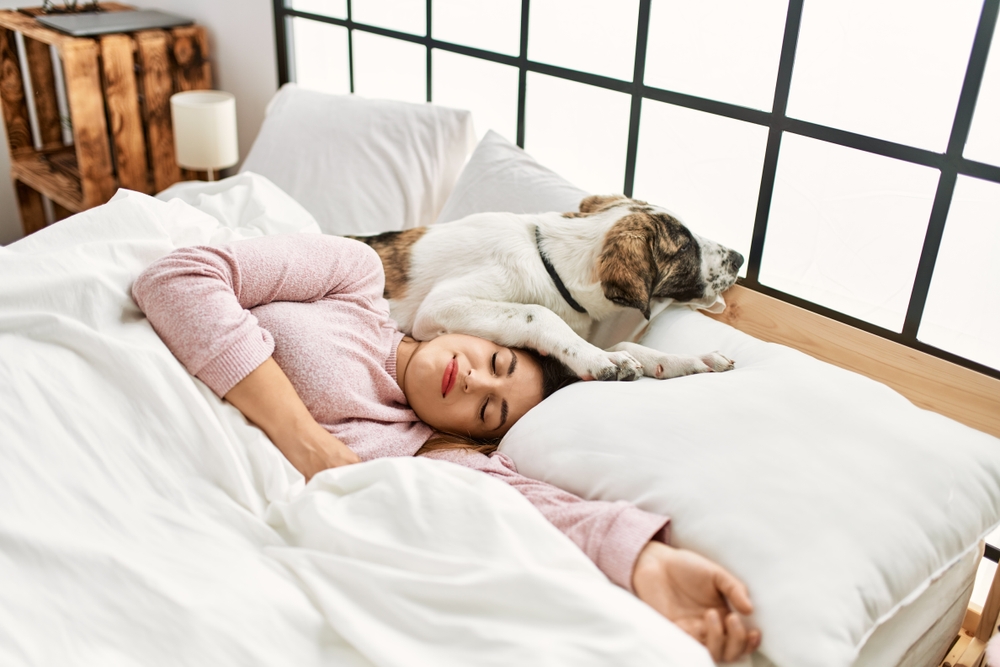
Summer heat is already keeping many Brits up at night, but for the 49% of pet parents who share their bed with a furry friend, experts reveal there could be more to worry about than just tossing and turning.
Animal experts warn owners that pets can add extra heat when snuggling under the covers, with certain breeds facing life-threatening heart stress even in mild temperatures.
TrustedHousesitters, the leading pet sitting platform, has teamed up with Blake Woody, Animal Behaviour Specialist, to reveal everything pet owners need to know about safe summer sleeping.
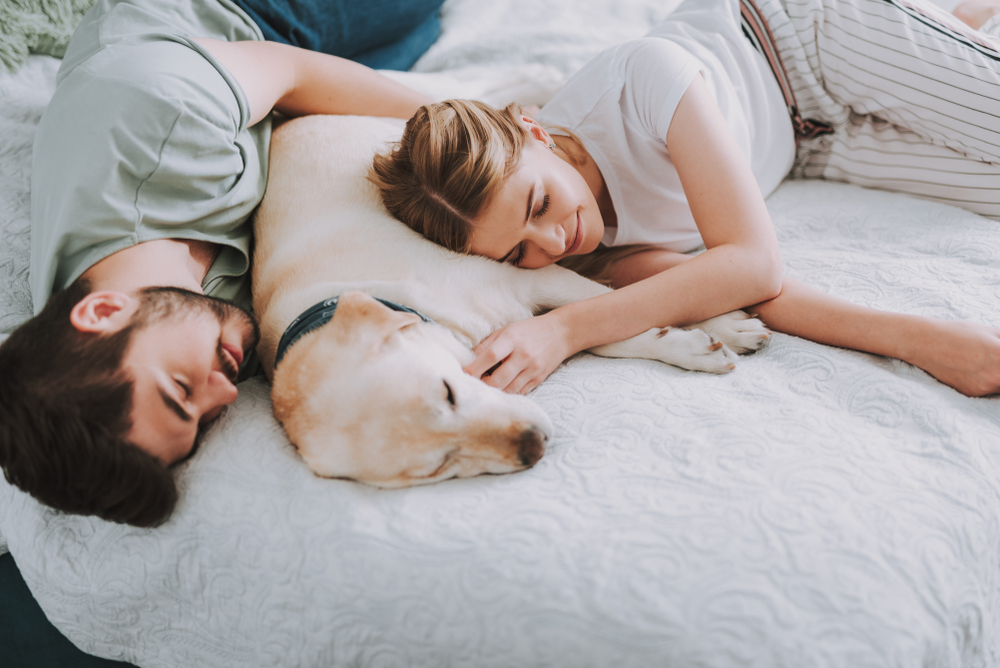
- Hidden heat danger: Why your pet may overheat without warning
Pets can overheat before they even realise, especially in warm, enclosed spaces like your bed. “Just like us, pets can struggle to regulate their body temperature during heatwaves – especially when curled up in a warm bed with shared body heat and limited airflow,” explains Woody.
Dogs and cats primarily cool themselves through panting and their paw pads, which becomes much more difficult for them in hot sleeping spaces. While most pets will naturally move to cooler areas when overheating, they can struggle in warm homes without air conditioning.
“In homes without air conditioning, like many in the UK, it’s vital [pets] have constant access to water and cooler surfaces, such as tile floors or ventilated sleeping spots,” Woody warns. “Without these, pets may overheat before they even realise it.”
2. Be EXTRA careful if you own one of these breeds
“Brachycephalic (flat-faced) breeds like Pugs, Bulldogs, and Persian cats are more susceptible to heat stress due to their shortened airways,” Woody reveals. These breeds’ anatomical features make it harder for them to cool down efficiently through normal panting.
The risk extends beyond flat-faced breeds. Senior pets, puppies, and long-haired breeds also struggle with temperature regulation and may not move away from the bed, even if they overheat.
3. How pets in bed can leave you exhausted
Keeping your pet cool is key – but if they overheat, you’ll likely feel the effects too. Woody notes that warm weather increases shedding, dander, and allergens, which can trigger sensitivities in susceptible owners.
“Sleep disruptions can also occur if your pet moves frequently to regulate their temperature,” she says. This creates a cycle where both pet and owner suffer from poor sleep quality during hot nights. Remember, the comfort principle applies both ways: “If you’re too hot, your pet probably is, too,” warns Woody.
4. Don’t sleep on this: Water access could save your pet’s life
“Make sure [your pet] has access to clean water at all times – this is non-negotiable in the heat,” Woody emphasises. Dehydration compounds heat stress and can lead to serious complications, particularly for pets sleeping in warm bedrooms where they’re already working harder to regulate their temperature.
This becomes even more important at night when owners are sleeping and may not notice early signs of overheating or dehydration.
5. Make easy swaps for safer, cooler snuggles
The good news is that pet parents don’t have to choose between safety and companionship. Woody and TrustedHousesitters recommend several straightforward adjustments:
- Consider placing a cooling mat or damp towel near the bed to give pets an alternative cooling surface.
- Keep fans running or windows open (with proper security) to improve airflow around sleeping areas. Always check that electric fans are positioned safely away from curious paws, and ensure open windows are pet-safe to prevent falls or escapes, as both can pose serious risks.
- Most importantly, let pets choose where to sleep. “Don’t force them to stay in bed if they want space,” Woody advises. Give them the space and setup to cool down safely, and trust their instincts to guide them.
- Regular grooming also becomes crucial. “Groom regularly to reduce excess hair that can trap heat, especially for long-haired breeds,” Woody recommends. Non-shedding breeds like Labradoodles and other doodle crosses also need extra care. Their coats trap heat easily, so regular grooming, shorter summer trims, and extra cooling options will help keep them comfortable and safe in hot weather.
Angela Laws, Head of Community at TrustedHousesitters, comments:
“It’s the age-old pet parent question – should your pet sleep in your bed? In the summer, it’s less about preference and more about making sure everyone stays happy, healthy, and well-rested. With a few simple changes, you can keep your pet safe and comfy without giving up those bedtime cuddles. Summer can still be a time to relax together – we just need to be a little smarter about how we do it.”
TrustedHousesitters connects caring pet lovers with verified sitters, ensuring pets stay safe and well-cared for in any season, whether their owners are home or away. Learn more at https://www.trustedhousesitters.com/