
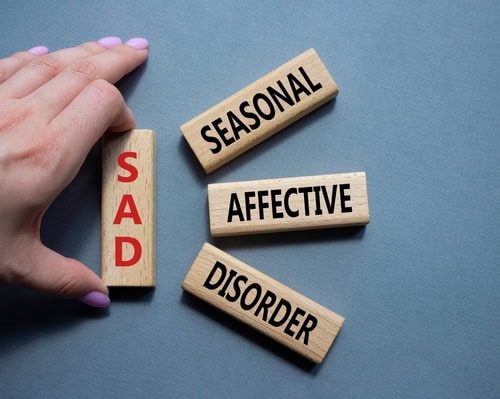
It is estimated that between 268,000 and 1.6 million people suffer from seasonal affective disorder (SAD) here in the UK, and with searches for SAD peaking in Google Trends every November, many Brits are currently turning to Google to find answers for low mood, energy and sleep changes.
Top trending questions currently include ‘how to deal with SAD?’ and ‘how does SAD light therapy work?’, while searches for SAD itself have increased by +60% in the past 30 days, according to new Google Trends data.
In response to these queries, sleep expert Chris Tattersall shares guidance for those who are feeling the onset of ‘the winter blues’, why this results in feelings of exhaustion and low mood, and how sleep can play a part in the management of the disorder.
Chris Tattersall, managing director of Woolroom, said: “Research suggests that a lack of sunlight exposure in the darker months stops the part of your brain called the hypothalamus from working correctly, which causes low mood. This then leads to the increased production of melatonin, the sleep hormone, and affects your internal body clock, making you feel more tired.
“SAD can then lead to a vicious cycle in which too much sleep leads to further feelings of depression. Oversleeping, which is typically considered over nine hours a night, can leave you waking up groggy, feeling excessively tired during the day, while inhibiting the production of serotonin – the hormone that stabilises mood.

“Getting the right amount of sleep in winter is therefore essential, with deep sleep being crucial for mood regulation. Getting on top of SAD starts with a mindset shift; we must embrace the fact that slightly more rest than usual is needed and adjust social plans and bedtime accordingly – with seven to eight hours the optimal amount for adults.
“Alongside trying to increase your sun exposure during daylight hours, the best way to combat SAD affecting your sleep is to create a healthy sleep environment. This includes sticking to a consistent bedtime schedule, turning off electronics at least an hour before bed, and prioritising natural bedding materials, such as wool bedding, to ensure your deep sleep isn’t disrupted by overheating or allergy flare ups.”
Ultra-Restcations Are Taking Over 2026 — Here’s Where the Elite Go to Sleep Better