Sleeping With a Fever? Experts Reveal When It’s Actually Dangerous
Not all fevers are safe to “sleep off.” Experts explain when rest heals and when it risks harm.
When a fever strikes, some people want to get in bed and stay there until they feel better, while others worry that sleeping with a fever might not be the best idea. If a person has a fever due to an underlying infection, that infection may impact their sleep patterns.
For example, they may spend more time asleep and less time awake, though sleeping with a fever below 104 degrees Fahrenheit likely carries little risk for most people, and it may even be helpful in giving your body a chance to rest and fight the infection.
Confusion over fever management has grown, especially during overlapping flu, RSV, and COVID seasons. Misunderstandings about when it’s safe to rest and when to seek medical attention can put vulnerable groups like children, older adults, and those with chronic conditions at greater risk.
Rosie Osmun, a Certified Sleep Science Coach at Amerisleep.com, explains why rest can be restorative, but also why timing and context matter.
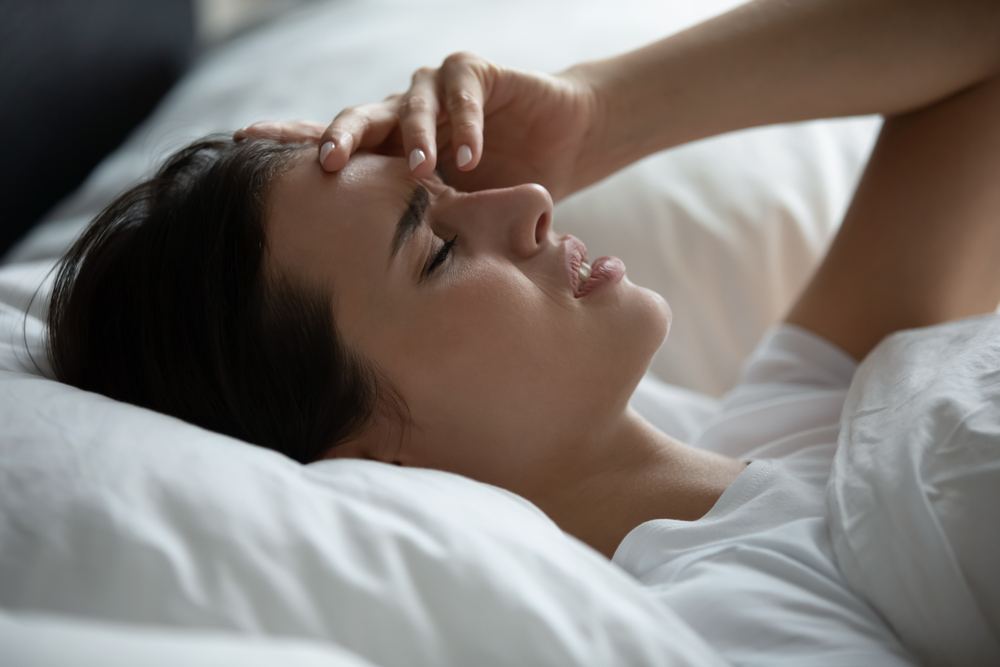
“Sleep gives your body a chance to fight infection, but there are limits to what sleep alone can do. The key is knowing when a fever is simply part of your body’s natural defense and when it’s a red flag that you need professional care,” says Rosie.
Fever temperatures that require medical attention:
- 105°F or higher: Go to the emergency room immediately.
- 103°F or higher: Contact your health care provider.
- 101°F or higher (if immunocompromised or over 65): Contact your doctor, especially if you’ve been exposed to COVID or Influenza A/B.
.
How to Sleep Safely With a Fever
- Keep your room cool and well-ventilated to prevent overheating
- Stay hydrated with water, broths, or electrolyte drinks
- Use lightweight bedding to avoid trapping heat
- Take short naps instead of oversleeping to prevent grogginess
- Avoid alcohol and caffeine, which can worsen dehydration
- Watch for warning signs like shortness of breath, chest tightness, or prolonged fever
“Fever is a natural immune response, and in many cases, sleep is one of the best tools we have to support healing. Quality rest helps regulate body temperature, manage inflammation, and conserve energy. For most mild viral infections, letting the body sleep can actually speed recovery.” Rosie explained.
If you’ve ever wondered how to get better sleep, Sleep Magazine offers expert tips and simple habits to transform your nights.