Trend meets truth – Over 37% of U.S. adults have tried at least one viral sleep hack — with Gen Z leading the charge — but how many of these internet-famous fixes really work?
From lettuce water and the “sleepy girl mocktail” to 90-minute sleep cycles, platforms like TikTok are flooded with quick-fix sleep solutions. According to a 2024 AASM study, more than a third of Americans have experimented with sleep trends they found online — and over half of Gen Z have tried at least one.
That’s millions relying on unproven remedies and confusing habits for help with one of the most vital pillars of health: sleep. So what’s actually helping — and what’s just hype?
To separate fact from fiction, Amerisleep teamed up with Certified Sleep Coach Rosie Osmun. With over a decade of experience in sleep science and wellness, Osmun breaks down which popular TikTok hacks are backed by evidence, which might help through placebo, and which are best avoided altogether.
“Many people fall for trendy quick fixes hoping for immediate results. But better sleep starts with consistent routines, not lettuce water or viral hacks.” — Rosie Osmun
Sleep Hacks That Might Actually Work
These viral trends have some research or expert backing:
- Chamomile tea
Contains apigenin, a compound shown to reduce anxiety and promote sleepiness. A time-tested classic for a reason. - Tart cherry juice
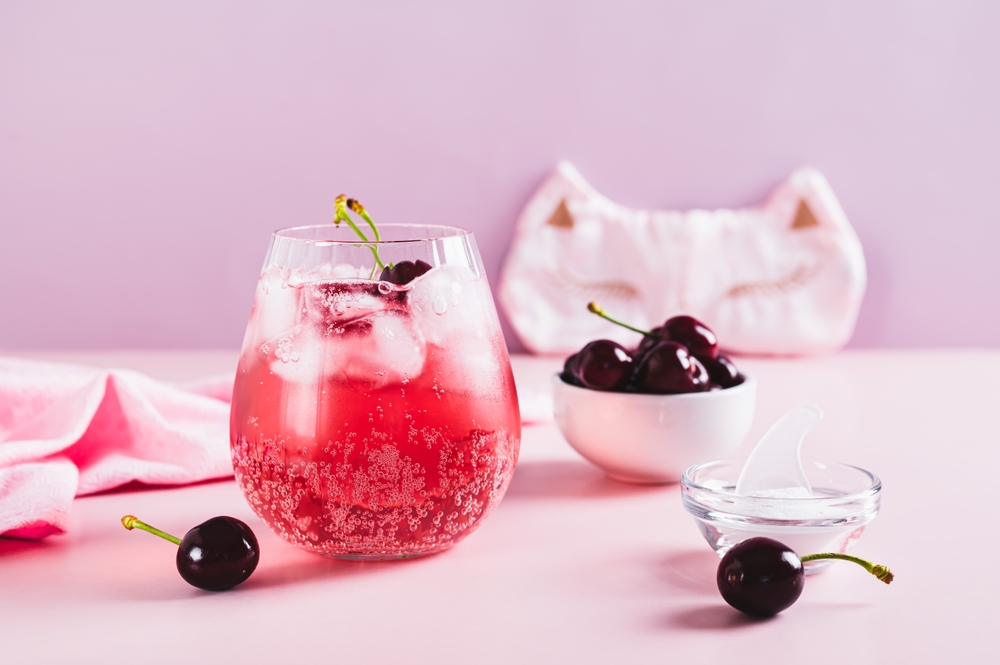
Naturally rich in melatonin and tryptophan. Several studies link it to improved sleep duration and quality when consumed regularly. - “Sleepy girl mocktail”
Usually made with magnesium powder, tart cherry juice, and a prebiotic soda. Magnesium supports muscle relaxation and sleep; cherry juice adds melatonin. - A warm bath or shower before bed
Raises your core temperature slightly, which then drops — a signal to your brain that it’s time for sleep. - Lavender aromatherapy
Inhaling lavender may reduce cortisol levels and help ease you into sleep, according to small but promising studies. - Guided imagery or cognitive shuffle techniques
Distracts the brain from anxious thoughts. These mental exercises are increasingly supported by sleep psychology research.
Placebo or Overhyped (But Harmless)
These trends might help some people feel relaxed — but don’t expect miracle results:
- Lettuce water
Contains trace lactucarium, a mild sedative, but any calming effect likely comes from the warm-drink bedtime ritual. - Mouth taping
Aims to encourage nasal breathing. Could work for some, but lacks robust evidence — and can be risky for people with certain conditions. - “Bed rotting”
The trend of lying in bed for hours without sleeping may actually hurt your sleep quality by weakening the brain’s bed-sleep connection. - Banana tea
Boiling a banana (peel and all) for magnesium and potassium. There’s no solid science supporting its use as a sleep aid.
Misleading or Questionable Sleep Trends
Some of these TikTok favorites sound smart but don’t hold up under scrutiny:
- Unregulated melatonin cocktails
Combining melatonin with other substances (like alcohol or caffeine) can backfire, disrupting your sleep cycle and causing grogginess. - Essential oils like clary sage or eucalyptus
While pleasant, there’s minimal research supporting their direct effect on sleep. - “90-minute sleep cycle” rule
Oversimplifies complex sleep architecture. While waking at the end of a cycle can help some feel refreshed, it’s not as predictable as TikTok claims. - ASMR
Some people find it calming, but there’s no large-scale evidence that it improves sleep for most users.
How to Actually Sleep Better — No Viral Hack Needed
If you’re serious about better sleep, skip the fads and focus on what truly works:
✅ Drink a warm, caffeine-free beverage about 30–60 minutes before bed — tea over lettuce water.
✅ Avoid screens (especially TikTok) at least 30 minutes before bedtime.
✅ Stick to consistent sleep and wake times — even on weekends.
✅ Keep your sleep environment dark, cool, and quiet.
✅ Focus on relaxing habits over viral trends — think stretching, low lights, and winding down with intention.
“If someone feels calm after drinking lettuce water, that’s valid — but it’s not the lettuce doing the heavy lifting. It’s the ritual and warmth.” — Rosie Osmun
The Bottom Line:
TikTok trends can be entertaining — and sometimes helpful — but they’re no replacement for a strong, evidence-based sleep routine. Before you buy that magnesium mocktail or tape your mouth shut, ask yourself: am I hacking sleep or avoiding healthy habits?
Crack the Code to Your Perfect Wake-Up Time with These Sleep Hacks