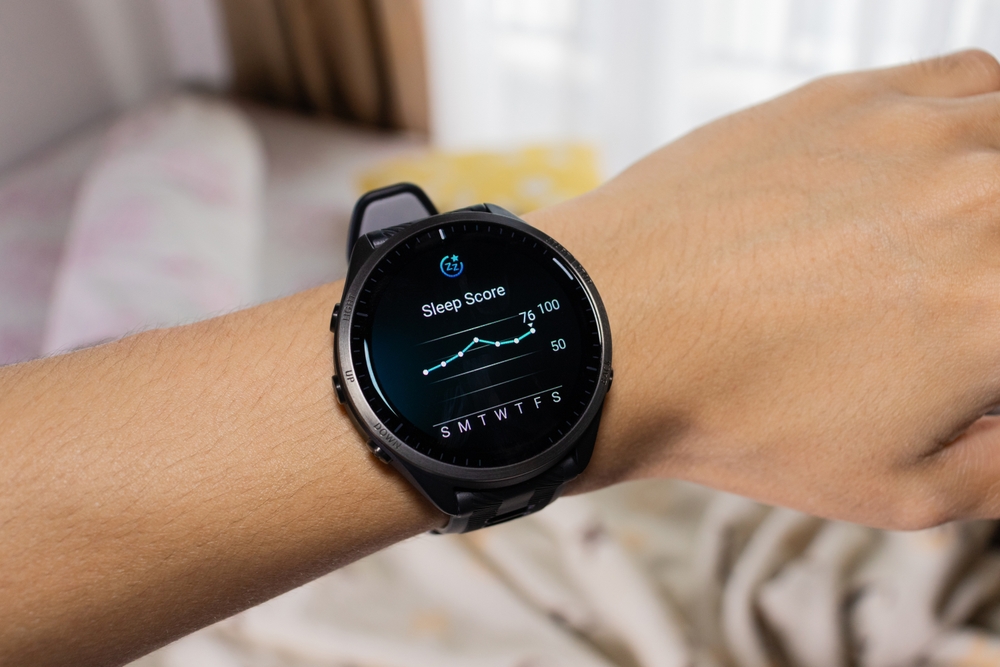
The Real Cost of Sleep Debt: Can Sleep Trackers Really Help?
Searches for orthosomnia — the anxiety caused by obsessively tracking sleep — have surged more than 5,000% in the past five years, according to new data from Mattress Online. With the global sleep tracking devices market set to hit $58 billion by 2030, more and more UK adults are relying on tech to help them rest. But can sleep trackers really deliver the solutions we’re hoping for?
The hidden cost of sleep debt
Sleep deprivation costs the UK economy an estimated £40 billion every year, with more than 200,000 working days lost due to fatigue. Beyond productivity, lack of sleep also disrupts memory, focus, and emotional regulation.
Poor sleep can strain relationships too. One study in the Journal of Social and Personal Relationships found that couples experienced increased anger and reduced satisfaction when sleep quality declined.
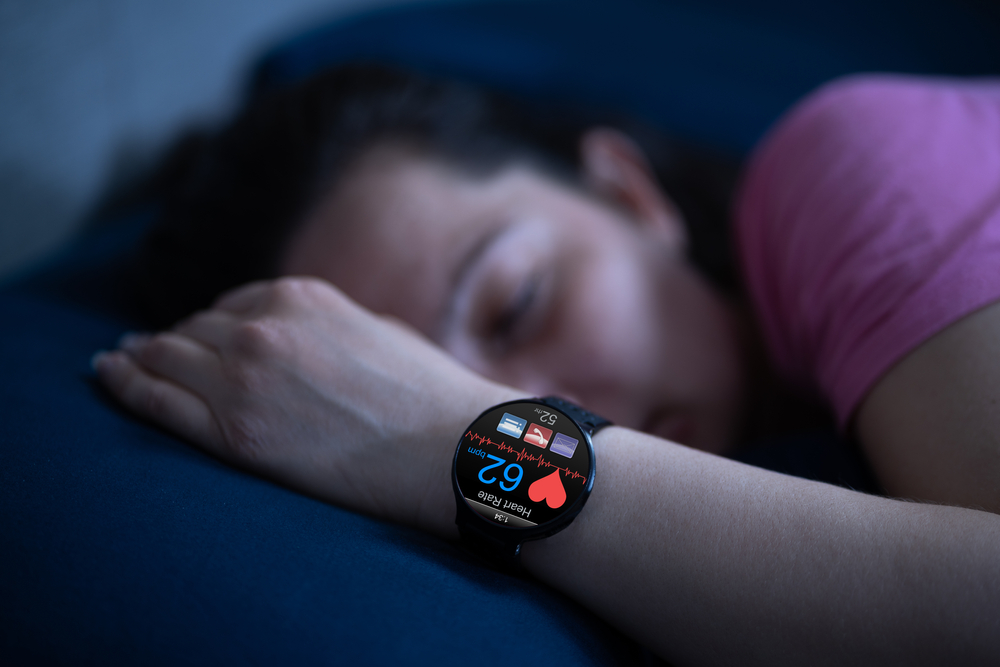
Can sleep trackers actually help?
With nearly one in five UK adults not getting enough sleep, devices like Oura Rings, Garmin watches, Fitbits and the upcoming Apple Watch Series 11 are marketed as tools to help us take control.
According to James Wilson, sleep expert at Mattress Online:
“Trackers can be useful as an engagement tool for someone who is struggling to understand their sleep and the impact it has on their health. For good sleepers, trackers can be helpful as they reaffirm their good sleep and leave them feeling positive.”
But there’s a catch. Wilson warns that trackers are measurement tools, not solutions:
“Poor sleepers are given the impression that the tracker will give them an answer to their sleep issue, when in fact, they are a measurement tool… When a tracker tells you you’ve had a bad night, even if you feel fine, that negative feedback can become the very thing that keeps you awake the following night.”

The rise of orthosomnia
This negative cycle has been identified as orthosomnia — where sleep anxiety is worsened by over-monitoring. Data shows searches for the term have exploded, reflecting a growing concern about our obsession with nightly scores.
Finding balance with tech
So, should we ditch the trackers altogether? Not necessarily. Wilson advises:
“If you have a pragmatic relationship with data, and data reassures — whether good or bad — then a sleep tracker could be helpful. Trackers should inform, not dictate. Use them to build awareness, but don’t let daily scores define how you feel about your sleep.”
For more practical advice, visit the Mattress Online blog.
If you’ve ever wondered how to get better sleep, Sleep Magazine offers expert tips and simple habits to transform your nights.
Discover how Sleep Magazine can help you create bedtime routines and lifestyle changes to get better sleep naturally.