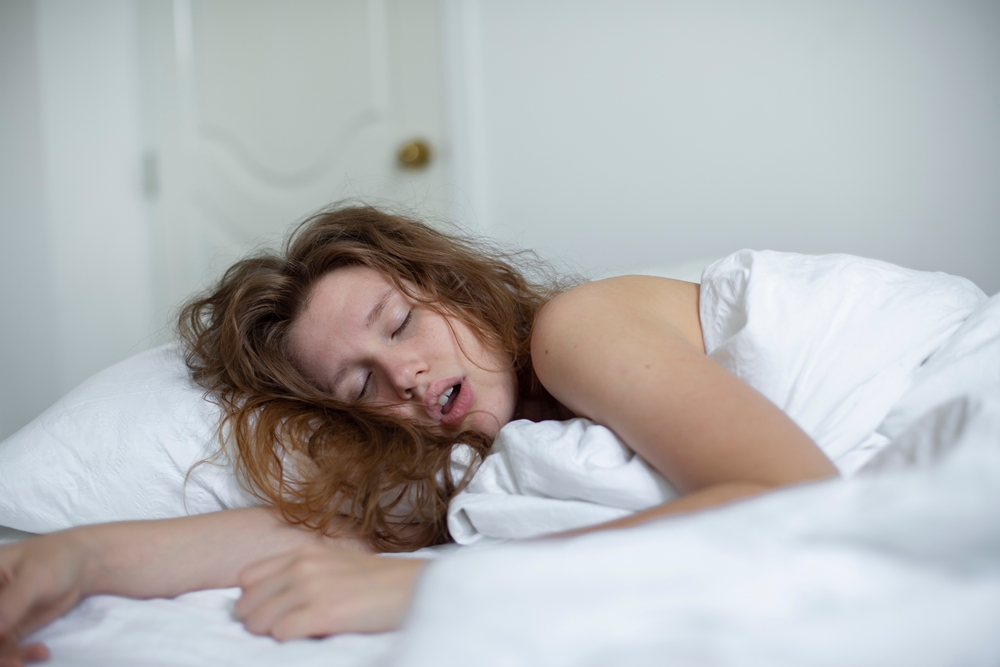
Why People Drool When They Sleep, According to Sleep Experts
Occasional drooling in your sleep may be harmless, but frequent or excessive saliva on your pillow could be a sign of an underlying health issue. A new study from Eachnight.com breaks down the science behind why people drool when they sleep, and how to know when it’s time to seek help.
Drooling—known medically as sialorrhea or hypersalivation—occurs when the body produces more saliva than it can swallow during rest. While it’s often linked to sleeping positions or mouth breathing, experts warn that chronic drooling may indicate conditions such as sleep apnea, GERD, neurological disorders, or medication side effects.
“Occasional drooling can be a sign of deep relaxation,” says Dr. Alicia Roth, a board-certified sleep medicine specialist. “But when it becomes frequent or excessive, it may be a symptom of an underlying sleep or neurological disorder that requires medical attention.”
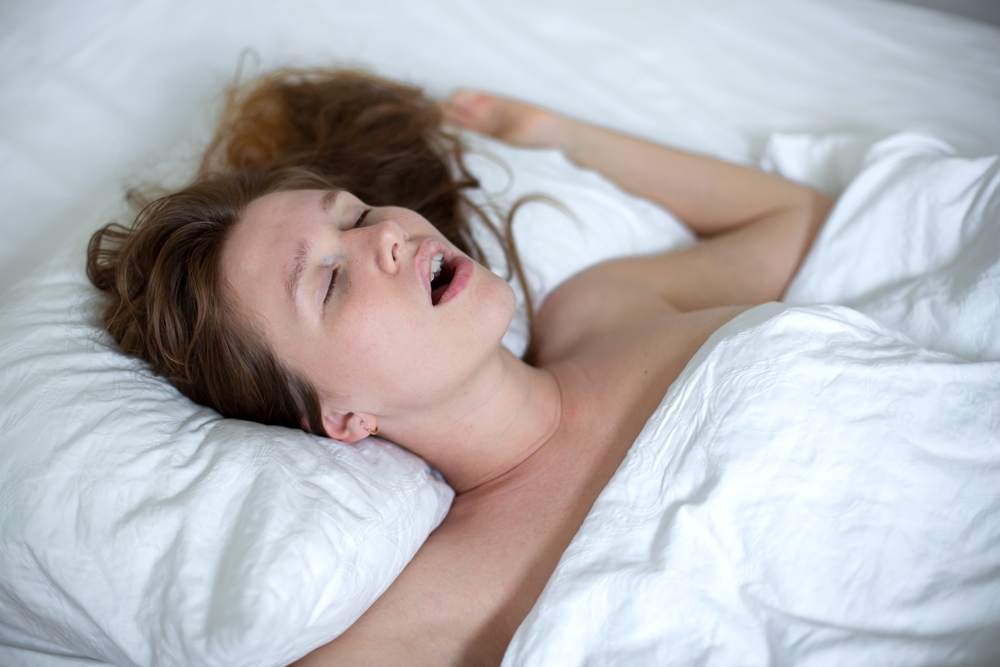
Common Causes of Drooling During Sleep
According to Eachnight’s report, there are seven main factors that can cause nighttime drooling:
- Sleeping Position: Side and stomach sleeping can cause saliva to pool in the mouth and leak out more easily.
- Sleep Apnea: Breathing interruptions increase saliva production and mouth breathing, often worsening drooling.
- Gastroesophageal Reflux (GERD): Acid reflux irritates the throat, prompting excess saliva as the body attempts to neutralize acid.
- Allergies or Infections: Nasal congestion and sinus pressure force mouth breathing and increase saliva flow.
- Swallowing Disorders (Dysphagia): Neurological conditions such as Parkinson’s or stroke can affect facial and throat muscle control.
- Medication Side Effects: Certain antidepressants, antipsychotics, and Alzheimer’s medications can cause hypersalivation.
- Other Factors: Deep sleep, pregnancy, diet, deviated septum, or bruxism (teeth grinding) can also contribute.
Potential Complications
Frequent drooling can be more than an annoyance—it may lead to:
- Dehydration from fluid loss
- Skin irritation or chapping around the mouth
- Bad breath or oral infections
- Decreased self-esteem or embarrassment
- In severe cases, aspiration pneumonia is caused by saliva entering the lungs
“When drooling leads to irritation or interrupted sleep, it’s a signal that something deeper is going on,” explains Andrea Strand, Certified Sleep Coach. “The good news is that with the right treatment, sometimes as simple as changing your sleep position, most cases are manageable.”
When to Seek Medical Attention
Experts recommend talking to a healthcare provider if drooling:
- Occurs frequently or in large amounts
- Is accompanied by snoring, choking, or gasping (possible signs of sleep apnea)
- Causes skin irritation or embarrassment
- Occurs alongside difficulty swallowing or speech issues
Dr. Roth advises, “If lifestyle changes don’t resolve the issue, a medical evaluation is important. Persistent drooling may be the body’s way of flagging something that deserves treatment.”
About Eachnight
Eachnight is a trusted source for evidence-based sleep education, health research, and product reviews. Every article is medically reviewed by certified experts to ensure accurate, accessible information on sleep wellness, disorders, and recovery.
Read the full medically reviewed article: https://eachnight.com/sleep/why-do-people-drool-when-they-sleep/
Discover how Sleep Magazine can help you create bedtime routines and lifestyle changes to get better sleep naturally.