The Best Alarm Sounds for Waking Up (and the Worst), According to Sleep Experts
Since the clocks went back, mornings have become noticeably darker, and the chill of winter is setting in.
With longer nights and disrupted sleep routines, many are finding it harder to wake up feeling alert. And for the 80% of people who rely on a sound-based alarm to start their morning1, the choice of tone could be making that struggle worse.
ROLI spoke to insomnia and sleep therapist, Dr Anna Joyce, who explains how a rude awakening can leave us feeling out of sorts: “Jarring alarm sounds that abruptly wake us from sleep cause a sudden increase in heart rate and blood pressure.
“If someone is sleep-deprived, they might still be in deep sleep when the alarm goes off, leaving them feeling groggy for a while after waking – we call this sleep inertia.”
Search data shows that people are also looking to personalise their wake-up experience, with Google searches for “use Spotify song as an alarm iPhone” surging by over 1000% in the past year2.
The best and worst alarm sounds to wake up to
Not all wake-up sounds are created equal, and sleep scientists say the tone you choose could make or break your morning4. The wrong alarm can trigger stress and grogginess, while the right one can boost alertness and energy levels for the day ahead.

Experts recommend choosing alarms with a melodic, easy-to-hum tune and a moderate tempo. Research shows that waking up to music you enjoy, particularly upbeat or melodic songs, can significantly reduce sleep inertia compared to a harsh beeping alarm. One study5 even found that the ideal wake-up sound has a simple melody around a mid-range frequency (roughly the key of C, or 500 Hz) and a tempo of 100–120 beats per minute. These features gently stimulate the brain, helping you feel more awake and positive.
That’s why many smartphone alarm tones and clock apps now include gentle music or nature-inspired options such as birdsong or ocean waves, designed to ease you into the day rather than jolt you awake.
2025 hits to set your day right
| Song Title | Artist | Approximate BPM3 | Key |
| Man I Need | Olivia Dean | 119 | C |
| Tears | Sabrina Carpenter | 113 | C |
| End of the World | Miley Cyrus | 121 | C |
| Anxiety | Doechii | 129 | C |
| Sapphire | Ed Sheeran | 95 | C |
Experts warn that not all alarms are helpful when it comes to waking up well. Harsh, jarring sounds that shock you awake can do more harm than good, triggering unnecessary spikes in heart rate and stress hormones first thing in the morning.
Researchers5 have found that alarms made up of short, abrupt bursts, particularly at a high pitch, are more likely to startle you from sleep and leave you feeling groggy or disoriented. The default tones found on many phones, such as the sharp electronic ‘beep-beep-beep’ or the well-known iPhone ‘Radar’ sound, are prime examples of this.
In simple terms, if your morning alarm sounds more like an emergency alert than a gentle wake-up call, it could be setting you up for a stressful start to the day.
Expert tips for better mornings
To get additional insight on waking up right, we spoke with experts in music and sleep science. Their advice underscores one theme: a gentler wake-up can make a world of difference.
“Music has a profound impact on mood, especially first thing in the morning,” says Sophie Solomon, Music Expert at ROLI. “The tones you wake up to set the tone for your day. A soothing melody or your favourite song can ease your brain out of sleep far more pleasantly than a blaring alarm. If you think of it as curating the soundtrack of your morning, you should be going for sounds that energise rather than agitate. If you wouldn’t blast a car horn to start a relaxing day, why use an abrasive alarm? Swapping in a gentler sound is a small change that can make mornings feel a lot brighter.”
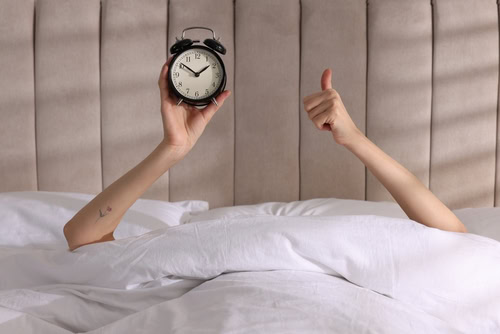
Occupational therapist and sleep expert, Devina King, explains: “Waking to a loud, jarring alarm puts your nervous system into immediate stress. That sudden shock releases adrenaline and cortisol, raises heart rate and blood pressure, and pulls you out of deep sleep. If you start each morning with that hormonal jolt, you will feel groggy, irritable, and foggy for the day, and repeated jolts over time can contribute to anxiety, poorer mood regulation, and higher long-term cardiovascular and metabolic risk.
“State transitions are the shifts your body and brain make between levels of alertness, for example, moving from sleepy to awake to fully active. Moving from low to medium to high alertness works best because it lets your nervous system ramp up gradually: gentle cues keep you calm and avoid a stress spike, medium cues build small actions and momentum like stretching or sitting up, and higher cues give you the final push to get going.
“That stepwise approach reduces grogginess and improves focus without the startle. Use gentle, staged cues instead of a single harsh beep. A sunrise lamp that brightens gradually is ideal.
“Smart speakers are also great for managing state transitions. Program a wake routine that plays a playlist shifting from slow, calming tracks to mid-tempo songs and finally upbeat music, and set staged reminders so Alexa first plays soft ambient music and a gentle voice prompt, then 10 to 20 minutes later moves to livelier songs.”
Sleep Magazine is your trusted UK guide to help you get better sleep and wake feeling truly refreshed.