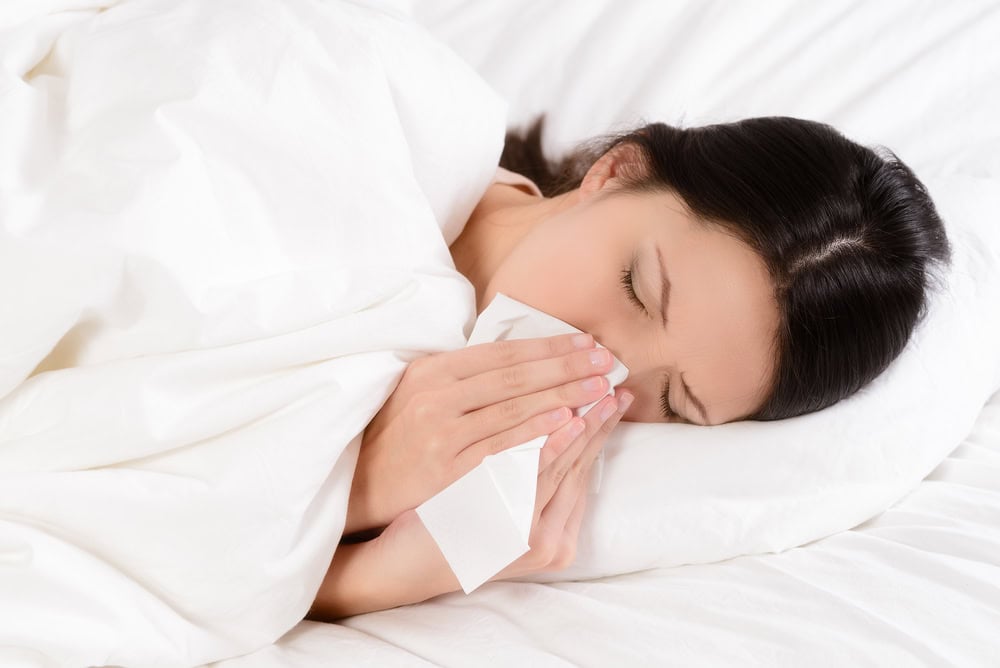
Why Hay Fever Gets Worse at Night — 8 Easy Bedroom Fixes for Better Sleep
If your hay fever seems to come alive the moment your head hits the pillow, you’re not imagining it. With Allergy Awareness Week now underway and pollen levels climbing across the UK, sleep experts are warning that nighttime symptoms often become far more noticeable after dark.
Blocked noses, itchy eyes, sneezing fits and restless sleep are all common complaints during allergy season — and for millions of people, evenings can be the worst part of the day.
According to research from Allergy UK, 57% of adults say they struggle with sleep during allergy season. That means more people are tossing, turning and waking up groggy at exactly the time of year they should be enjoying brighter mornings and longer evenings.
Why allergies can feel worse at night
Sleep clinician Natalie Pennicotte-Collier says many sufferers experience what she describes as an “allergen bloom” in the evening.
During the day, pollen can build up in hair, on skin, on clothing and throughout the home. By bedtime, those allergens may have collected in your bedroom or bedding, making symptoms feel more intense once you lie down.
There’s also the simple fact that when the house goes quiet, symptoms become harder to ignore. A slightly blocked nose in the daytime can feel much more disruptive at 2am.

8 easy ways to make your bedroom more allergy-friendly tonight
The good news is that you may not need a major overhaul. Often, small changes can make the biggest difference.
1. Shower before bed
Pollen sticks to hair and skin throughout the day. A quick shower before bedtime helps wash it away so you’re not transferring it onto your pillow.
2. Cover your bed if windows are open
Fresh air can feel tempting, but open windows can invite pollen indoors. If you ventilate your bedroom during the day, cover your bed so pollen doesn’t settle on the sheets.
3. Don’t dry bedding outside on high pollen days
Line-dried sheets smell amazing — but they can also collect pollen. If counts are high, dry bedding indoors instead.
4. Clean with a damp cloth
Dry dusting can move allergens around the room. A damp cloth traps particles more effectively and can help keep surfaces cleaner.
5. Switch to fragrance-free detergent
Strongly scented detergents may irritate already sensitive noses and skin. Fragrance-free products can be a gentler option during peak pollen season.
6. Keep worn clothes out of the bedroom
The clothes you wore outside may be carrying pollen. Leave them in another room or put them straight in the wash.
7. Raise your head slightly
Sleeping with your head elevated can help reduce congestion and make breathing feel easier overnight.
8. Consider hypoallergenic sleep products
Hypoallergenic pillows, duvets and mattress protectors may help create a cleaner sleep environment, especially if dust allergies are also an issue.

Why small habits matter
Many people focus only on medication, but their evening routine may be quietly making symptoms worse. Something as simple as dropping outdoor clothes on a chair in the bedroom or climbing into bed without washing your hair could be increasing overnight exposure.
When pollen levels rise, your bedroom routine matters more than you think.
The bottom line
If hay fever is ruining your sleep this week, start with the basics. Clean bedding, a shower before bed and keeping pollen out of the bedroom could help you wake feeling far more refreshed.
Sometimes it’s not your allergy treatment that needs changing — it’s your bedtime habits.
Credit: Original research and expert commentary provided via press release by Natalie Pennicotte-Collier / Allergy Awareness Week campaign materials.
If you’ve ever wondered how to get better sleep, Sleep Magazine offers expert tips and simple habits to transform your nights.