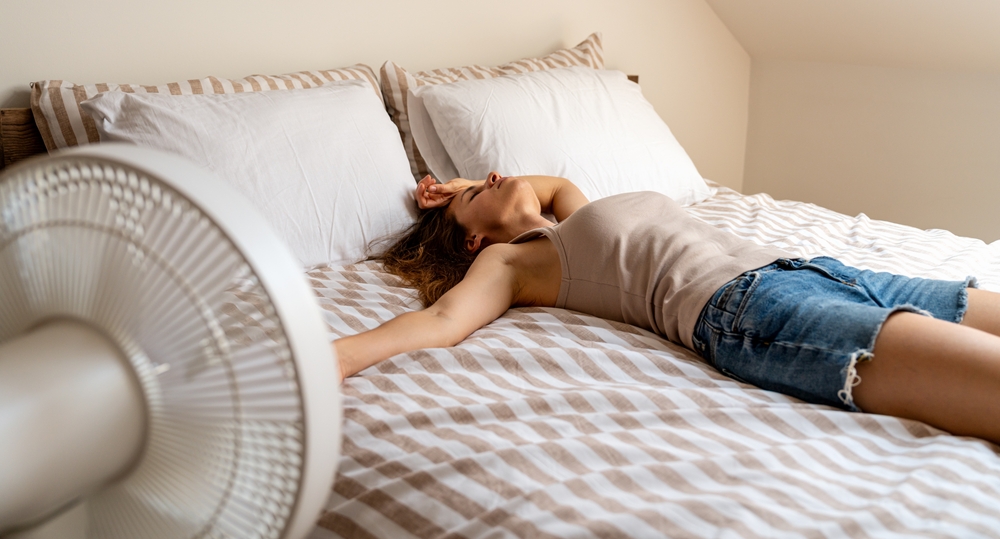
Sleeping with a Fan On? Here’s What Experts Say You Should Know Before You Do
With record-breaking summer temperatures sweeping across the country, more people are turning to fans for relief at bedtime. But as bedrooms hum with the constant whirl of blades, sleep experts warn that not all cooling comes without consequences.
Sleeping with a fan on is fairly harmless for most people, but some may find it uncomfortable. This is especially true for people with sensitive airways and those who prefer a totally quiet sleep environment.
Other considerations when deciding whether to sleep with a fan include the cost of running it at night. Even after a fan is turned off, household allergens can linger in the air or settle on surfaces like fan blades and bedding.

This common summer habit has sparked debate among health professionals. Christine Lapp, a sleep health specialist at sleepjunkie.com, says the answer depends on factors like personal health conditions, climate, and fan placement.
“Fans can be a lifesaver in sweltering weather, especially if you don’t have air conditioning, but they can also create conditions that irritate your body and interrupt deep, restorative sleep, and yet most people don’t realize it’s happening,” says Lapp.
Several studies have shown that cooler bedroom temperatures promote better sleep quality. However, unlike air conditioning, fans do not lower the air temperature; they simply move it around. This movement can help the body regulate temperature more effectively, but it can also stir up allergens, dry out the skin and sinuses, and cause muscle stiffness from prolonged exposure to direct airflow.
Allergy and asthma experts note that fans can exacerbate symptoms in sensitive individuals, especially during peak pollen season.
5 Tips for Safe Overnight Fan Use
- Angle the fan away from your body to prevent direct airflow on your face or muscles.
- Keep your fan clean to avoid circulating dust, pollen, or pet dander.
- Use a timer so the fan runs for part of the night but turns off before early morning hours.
- Pair with a humidifier to reduce dryness in the air.
- Consider your health – if you have allergies, asthma, or sinus issues, talk to your doctor about alternatives.
“Direct exposure to moving air for several hours can lead to dehydration of the nasal passages and eyes, which may trigger headaches or sinus irritation. People who sleep with their mouths open may notice increased throat dryness,” Lapp explained
She notes, “Additionally, for allergy or asthma sufferers, the constant circulation of airborne particles can worsen respiratory symptoms, particularly if the fan blades or surrounding surfaces are dusty.”
Sleep Magazine is your trusted UK guide to help you get better sleep and wake feeling truly refreshed.