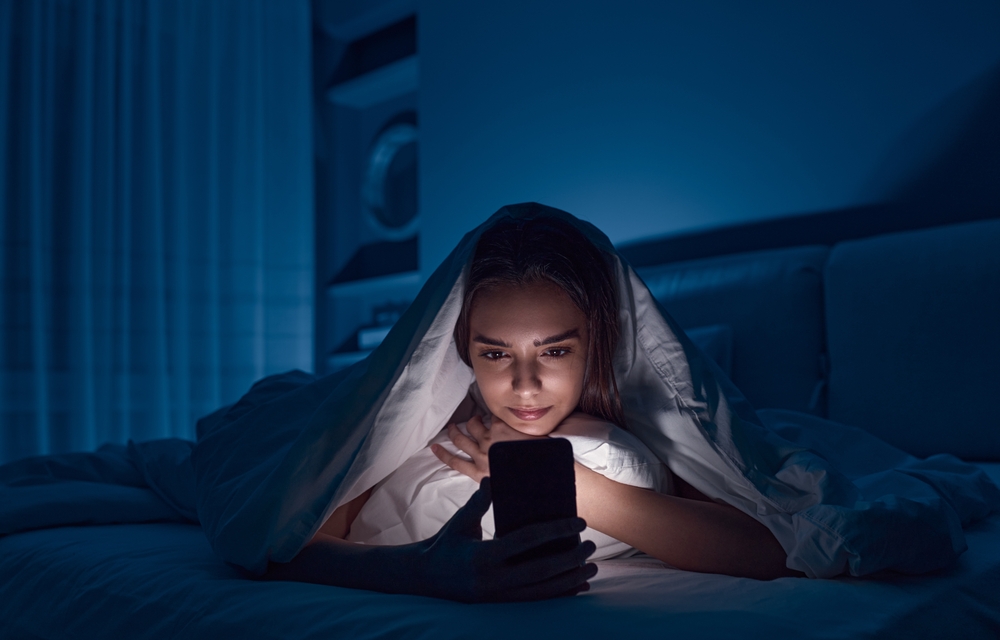
5 Smartphone Clues That Could Signal a Sleep Disorder According to Sleep Experts
As people spend more time glued to their phones, sleep experts say our digital behaviors may be quietly revealing much more than poor bedtime habits. From doomscrolling past midnight to waking up to check notifications, your smartphone might be holding clues to a possible sleep disorder, and most people have no idea.
Meanwhile, the Centers for Disease Control and Prevention (CDC) estimates that over one-third of adults in the U.S.—about 83.6 million people get less than the recommended 7 hours of sleep each night.
With smartphones deeply integrated into nightly routines, many sleep researchers and behavioral experts are asking: Are our devices silently contributing to and even revealing serious sleep health issues?
While blue light exposure and bedtime scrolling are often blamed for lost sleep, Rosie Osmun, Certified Sleep Science Coach at SleepJunkie.com, warns that how you use your phone may reveal more serious patterns, like sleep fragmentation, insomnia, or circadian rhythm disruptions.
“Most people think their phone is causing bad sleep,” says Osmun. “But in many cases, it’s also the symptom. Your phone habits may be showing signs that something deeper is going on with your sleep health.”
That insight is backed by new scientific findings. In a 2025 case study published in the Journal of Sleep Research, researchers tracked the recovery of a patient with Kleine–Levin Syndrome, a rare hypersomnia disorder, using only smartphone interaction data. The study found that irregular or absent phone use aligned with periods of extreme sleep and cognitive dysfunction, while structured phone behavior returned as the patient’s circadian rhythm normalized.
“This kind of digital phenotyping shows us that your smartphone activity such as when, how, and how often you use it, can offer a real-time window into your neurological and sleep health,” Osmun explains. “You don’t need to have a rare disorder for this to matter. Even in common sleep conditions, your digital habits may reflect what your body isn’t saying out loud.”
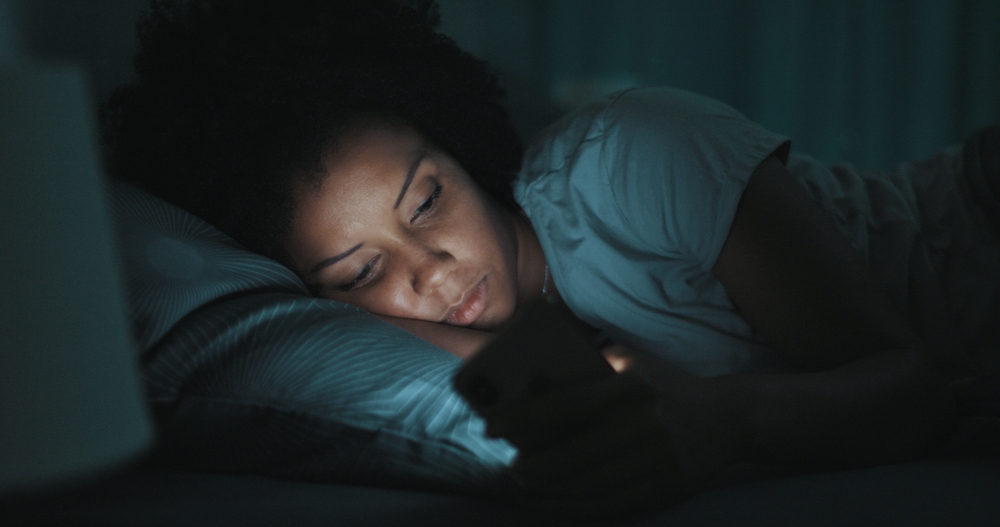
5 Smartphone Clues That Could Signal a Sleep Disorder
- Scrolling Past Midnight, Even When You’re Tired: Delaying sleep for screen time could be a sign of insomnia or bedtime procrastination linked to poor emotional regulation or anxiety.
- Waking Up to Check Notifications: This pattern suggests fragmented sleep or possible sleep maintenance insomnia, where the body isn’t staying in deep sleep long enough to feel restored.
- Erratic App Usage During the Night: New research shows that irregular screen interactions (bursts of use followed by silence) can reflect disturbed sleep-wake cycles or hypersomnia episodes.
- Using Your Phone to Fall Asleep Every Night: If you depend on background noise, social videos, or scrolling to fall asleep, it might signal sleep onset association disorder, where the body can’t initiate rest without external stimuli.
- Sleeping With the Phone Next to You: The constant presence of notifications and vibrations can lead to micro-awakenings that disrupt sleep architecture without you realizing it.
6 Simple Ways to Set Digital Boundaries and Sleep Better
- Set a digital wind-down time. Power down your phone at least 60 minutes before bedtime to give your brain time to disconnect.
- Activate night shift mode early. Use blue light filters or night mode on your devices starting around 7 PM to reduce melatonin disruption.
- Swap scrolling for calming rituals. Replace screen time with quiet activities like journaling, light stretching, or reading a physical book.
- Keep your phone out of the bedroom. Charging it in another room reduces the temptation to check it if you wake during the night.
- Use a standalone alarm clock. Avoid relying on your phone to wake up—it increases the chance of late-night and early-morning screen exposure.
- Track your sleep patterns. Keep a simple log of your sleep and phone use for a week to help spot behavioral patterns that may be disrupting rest.
“As a sleep coach, I always advise people to look beyond their screen time totals. Instead, ask: Why am I reaching for my phone? When does it happen? Am I using it to avoid something, or because I physically can’t sleep? That’s where we start uncovering the real story behind poor sleep, and that’s where healing begins.” Osmun added.
Luxury Life Magazine – the luxury lifestyle magazine for discerning readers around the world.