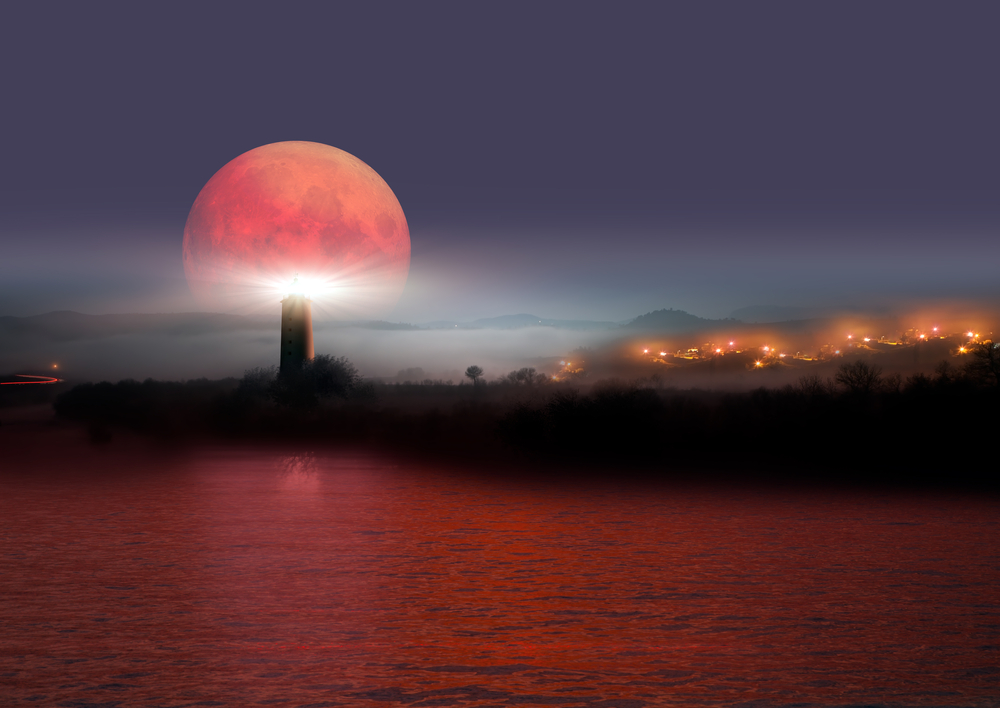
With the total lunar eclipse visible from the UK skies tomorrow morning, Senior Sleep Expert at MattressNextDay Martin Seeley has shared how this could affect your sleep cycle and how to avoid waking up in the night.
Martin Seeley, Senior Sleep Expert at MattressNextDay, explains how the upcoming total lunar eclipse could affect your sleep cycle and what to do about it.
“The lunar cycle has a greater impact on biological rhythms than many people realise, influencing everything from coral spawning in the Great Barrier Reef to the menstrual cycle. When it comes to sleep, there is compelling evidence to suggest that lunar events, particularly the full moon, can be disruptive. For example, previous research found that during the full moon, participants took five minutes longer to fall asleep, slept 20 minutes less overall, took longer to reach REM sleep, experienced a 30% reduction in deep sleep, and reported a noticeable drop in sleep quality.
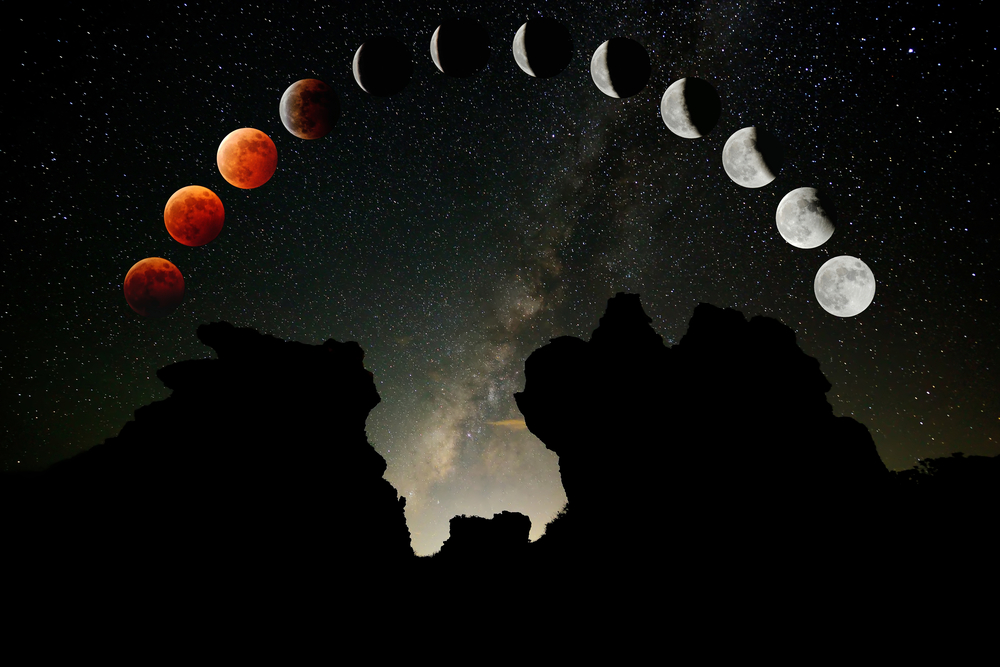
“Our body’s internal 24-hour clock, or circadian rhythm, is regulated by hormone levels that fluctuate in response to light exposure. Since light plays a crucial role in sleep onset and quality, the upcoming total lunar eclipse, which is visible from the UK from around 2:20 am and peaking at 6:20 am, has the potential to disrupt sleep by prompting people to wake earlier than usual to either witness the event, or just through the increased light exposure. This kind of disruption can lead to grogginess and reduced alertness throughout the day, particularly if it shortens the deep sleep phase.
“To minimise the impact, it’s essential to maintain a strong sleep routine. Keeping your bedroom dark with blackout curtains or blinds can prevent unwanted light from interfering with sleep. Sticking to a regular bedtime, avoiding caffeine before bed, and limiting exposure to blue light from screens can also help protect sleep quality. While the blood moon is an exciting event, prioritising good sleep hygiene will ensure you feel well-rested the next day.”