
While many focus on hair loss treatments, sleep quality may be the overlooked factor in maintaining strong and healthy hair.
During deep sleep phases, the body releases growth hormones that repair and regenerate cells, including those in hair follicles. This nighttime restoration process is crucial for maintaining hair strength, shine, and growth according to George Sandhu, Deputy Pharmacy Superintendent at Well Pharmacy Online Doctor.
“During sleep, your body does most of its repair work, and that includes your hair,” explains the expert. “Consistently poor sleep can lead to increased stress hormones like cortisol, which can trigger hair thinning and even hair loss over time.”
According to a recent survey of 500 Brits, 67% were not aware that the quality of your sleep can impact your hair health, and the same amount (67%) were unaware that bad quality of sleep could contribute to hair loss.
To find out more, George Sandhu reveals several surprising connections between sleep quality and hair health that you might not be aware of:
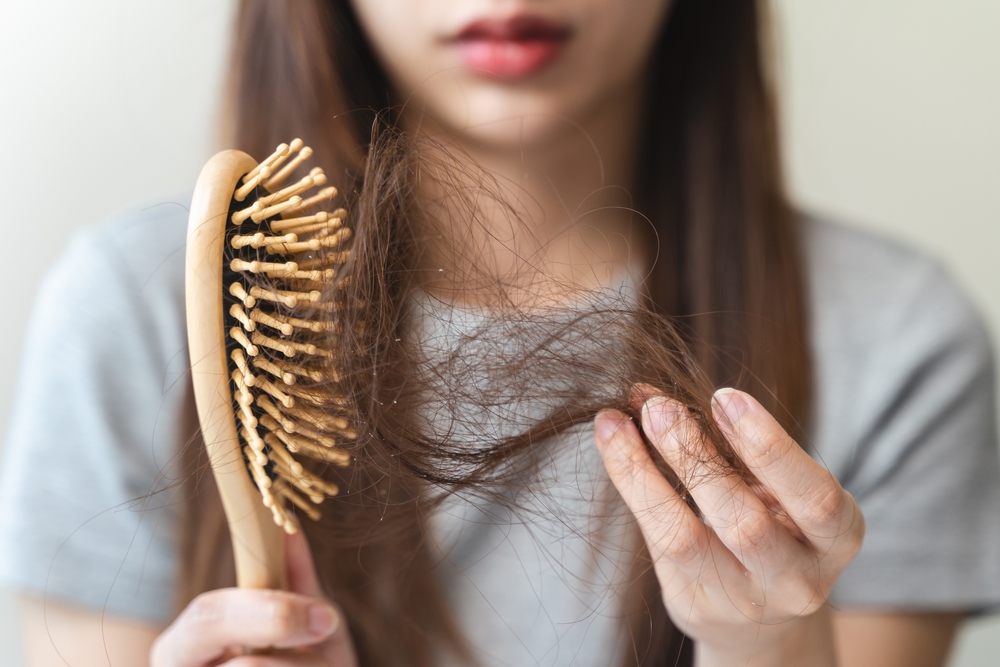
Increased hair thinning with sleep deprivation
“Studies show that people who regularly get less than six hours of sleep are 30% more likely to report issues with hair thinning. This is because inadequate sleep disrupts the hair growth cycle, pushing more follicles into the “shedding” phase prematurely. Even short-term sleep problems can manifest as increased hair fall.”
Reduced hair quality and appearance
“Poor sleep quality is directly linked to reduced shine and elasticity in hair strands. When the body doesn’t get enough restorative sleep, it prioritises essential functions over hair maintenance, leading to duller, more brittle hair that breaks easily and loses its natural luster. Regular deep sleep allows the body to properly distribute oils and nutrients to the scalp and hair shaft.”
Hormone regulation through consistent sleep
“Maintaining a consistent sleep schedule helps regulate hormones that affect hair growth cycles. The body’s internal clock, or circadian rhythm, controls hormone production that impacts everything from stress levels to oil production in the scalp. When sleep patterns are irregular, these hormones fluctuate unpredictably, potentially disrupting the delicate balance needed for optimal hair growth.”
Circulation benefits during sleep
“During deep sleep, blood circulation to the scalp improves, delivering vital nutrients and oxygen to hair follicles. This increased blood flow supports the production of keratin, the protein that makes up hair strands. Without proper sleep, circulation may be compromised, leaving follicles undernourished.”

For those looking to improve both sleep and hair health, George recommends:
- Maintaining a consistent sleep schedule, even on weekends
- Using a silk pillowcase to reduce friction and breakage
- Avoiding tight hairstyles such as high ponytails and buns before bed
- Using soft scrunchies rather than elasticated hair ties
- Avoiding going to bed with wet hair, as it’s much more fragile
- Keeping the bedroom cool, as overheating can affect both sleep quality and scalp health
“It’s not just about how many hours you sleep, but the quality of that sleep. Deep, restorative sleep phases are when your body produces the proteins that build hair strength.”
While hair loss treatments play an important role in maintaining healthy hair, combining these with good sleep hygiene may provide the results many have been missing.
Getting proper rest allows your body to repair and regenerate hair follicles naturally. However, if you’re worried about ongoing hair thinning or loss, it’s always best to consult with your GP who can rule out underlying health conditions and recommend appropriate treatments tailored to your specific situation.