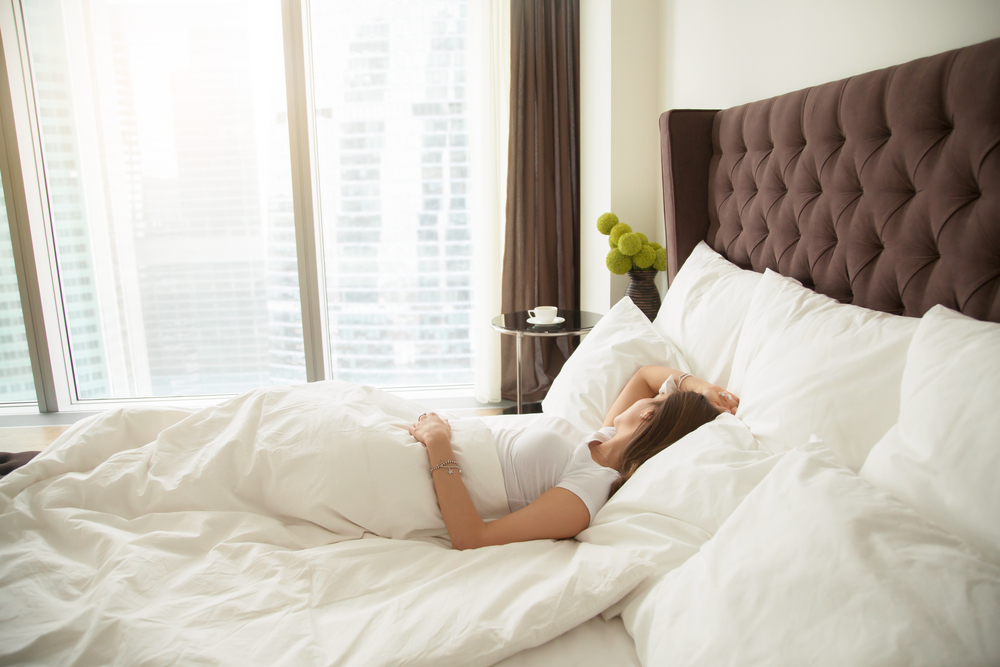
NO MORE WAKING UP ON THE WRONG SIDE OF THE BED: SLEEPING ON THE ‘RIGHT’ SIDE COULD MAKE YOU FEEL MORE POSITIVE EACH DAY
It’s official: people who get out of bed on the ‘right’ side are more energised and look forward to the day ahead.
We all know the phrase ‘woke up on the wrong side of the bed’, but a study by sleep expert Bensons for Beds found that those who kip on the right-hand side of the mattress (righties) are far less likely to wake up in a bad mood than those who doze on the left (lefties).
They also get the most amount of sleep (averaging 8.6 hours per night) and are early birds. The research also revealed that those who sleep on the left-hand side of the bed get 9.8 hours less sleep a week and are 6% more likely to be night owls.
‘Righties’ are more easily embarrassed than ‘lefties’ (24% vs 22% of lefties), and are more likely to have a large circle of friends (10%vs 8% of lefties). Righties also earn more money than lefties – being twice as likely to earn over £80k a year (12% vs. 5%). ‘Lefties’ on the other hand were found to be more trustworthy and honest (62% vs 54% of righties), better cooks (39% vs 35%) and avid bookworms (26% vs 18%).
But can you get up on the right or wrong side of the bed? Analysing the sleeping patterns of 1,000 adults, the research found that men prefer to sleep on the right (67%) with 16% claiming they sleep on their given side of the bed because they let their partner choose. Women were found to be creatures of habit, with 68% saying they stick to the side they’ve always slept on, and more women than men choose to sleep by the door (24% vs 21%).
Other reasons for opting for one side over the other include wanting to be further away from the window (9%), by the side with a plug socket (9%), having a better view of the TV (9%), being closer to the radiator (8%) and further away from outside noise (6%).
Ultimately, a slew of reasons could explain your slightly off morning mood, says Bensons for Beds’ sleep expert, Dr Sophie Bostock. “Sleep helps us to process the experiences of the previous day. We store factual information in a separate way to emotions, so that we can look back on the previous day without re-living negative emotional experiences.
“Sleep also helps with creativity and problem solving, so we may wake up feeling as though problems are less insurmountable than when we went to bed. Sleep also enables us to lower stress hormones: cortisol reaches its lowest levels overnight. And after a poor night’s sleep, anxiety levels increase – our brains develop a heightened sense of threat, making us feel irritable and impatient.”
WHAT SIDE OF THE BED YOU WAKE UP ON SAYS ABOUT YOU, ACCORDING TO RESEARCH
Right side risers:
- Wake up feeling energised and ready to take on the world (76%)
- Spend the most quality time with their family (10.9 times a month)
- Go to an art gallery 2 – 3 times a month (14%)
- Most likely to be early birds (67%)
- Get the most sleep (8.6 hours a night)
Left side risers:
- Enjoy the cinema at least 1 – 2 times a month (91%)
- Describes themselves as honest and trustworthy (62%)
- Most likely to be night owls (39%)
- Admit that they worry alot (44%)
- Get the least sleep (7.2 hours a night)
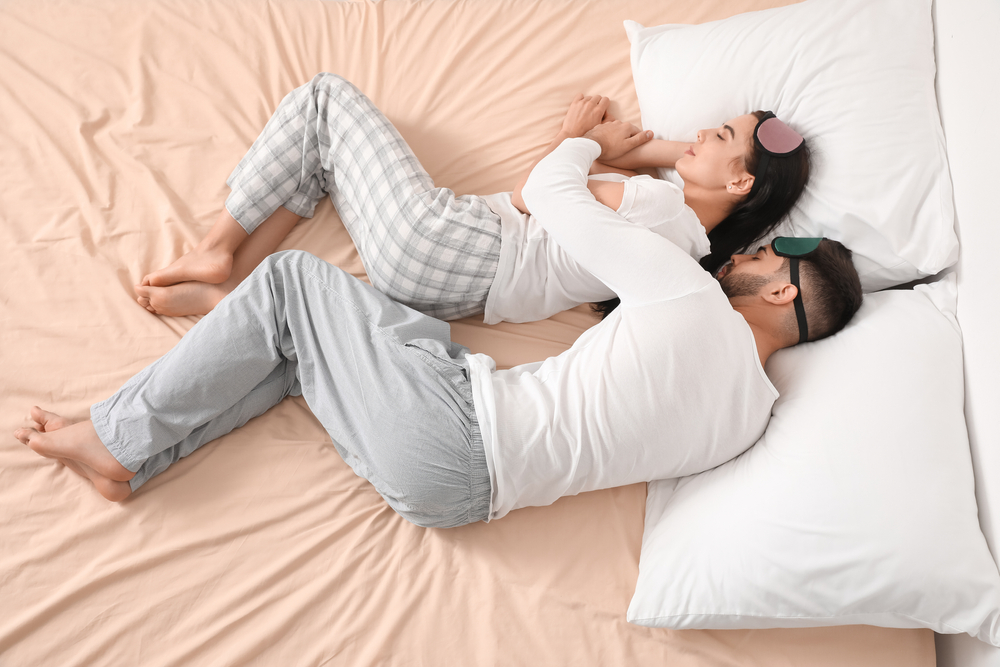
So, how can you improve your quality of sleep? Dr Bostock provides five tips to help get up on the right side of the bed:
- You can only get enough good quality sleep if you allow enough time for sleep overall! Adults are recommended to get a minimum of 7 hours of sleep each night; for most people this means being in bed for 7.5-8 hours.
- Dim the lights within the last 90 minutes before bed, and to try and make your bedroom as dark as possible. This will support your body’s natural production of melatonin, the hormone which signals sleep.
- Sleep quality improves with consistent sleep timing. If you aim to wake up and prepare for bed at a similar time each day, this will strengthen your circadian rhythms and has been shown to enhance both deep sleep and REM sleep.
- Our circadian rhythms rely on exposure to natural daylight to know that it’s time to be active. Aim to get outside for at least 10 minutes every day within an hour of waking up to kick start your daily rhythm and encourage the brain to be ready for sleep 16 hours later.
- Regular physical activity is one of the best things you can do to improve your health, and it’s great for sleep too. People who exercise tend to fall asleep faster, stay asleep for longer and have more deep sleep.