
SPRING is around the corner, and with it comes Easter, longer days and the annual tradition of cleaning your home. After hibernating indoors during winter, spring cleaning provides an opportunity to deep clean, declutter and rejuvenate your living space, over and above your usual routine.
With the viral ‘#SundayReset’ trend seeing over 562,000 posts on TikTok, the UK clearly has a strong appetite for clearing the cobwebs and making a space feel fresh. The most important part of any extensive clean is your bedroom, according to sleep environment expert and Woolroom managing director, Chris Tattersall.
Keeping your bedroom clean is about more than just aesthetics – it’s about ensuring good hygiene, reducing allergens, preventing the growth of harmful bacteria and creating a healthier and more comfortable sleeping environment. Here, Chris reveals the key areas of focus for this year’s spring clean, his hygiene top tips, and the impact on your wellbeing.
Which areas should I focus on?
Damp and mould can often develop in hidden nooks and crannies during colder months. Moisture from roof and window leaks, condensation, excessive humidity, or uncleaned spills can create the perfect environment for mould growth in your sleep sanctuary. Studies show that mould exposure is associated with sleep disturbances, including increased snoring, insomnia and sleep deprivation, so it’s important any spores are tackled.
As we spend almost a third of our life sleeping, your bedding itself is also a prime place for the build-up of sweat, stains, dust mites and dander. A spring clean is the perfect time to go one level deeper than cleaning your sheets – instead focusing on the mattress, duvet, mattress protector and pillows themselves.

Decluttering your bedroom is also a must. As the saying goes – tidy home, tidy mind. Your bedroom should be a haven reserved for rest alone, so opting for a minimalistic approach to clutter as well as decor will help to make your sleep environment more relaxing.
- Damp and mould
Regularly opening bedroom windows, even in the winter months, is a simple but essential way to improve air circulation, reduce humidity and allow your bedding to breathe. To remove mould, firstly protect yourself by wearing gloves and opening windows for ventilation. Using a bucket of water mixed with washing-up liquid or a mould and mildew remover spray, wipe the mould off the area.
Be careful not to brush it as this can release mould spores into the air and use a dry cloth to remove any excess moisture. You can also use bleach to treat the mould, but make sure it is removing the spores rather than just discolouring the wall beneath.
- Refresh your bedding
Bed sheets
Washing your bed sheets is a task that should be completed once a week, which can be extended to two weeks should you not sleep in your bed every evening. Many think that 60 degrees is the optimal temperature for your washing cycle, but a 40-degree will do the trick to clear dead skin, sweat, body oils and dirt. With warmer weather approaching, consider switching to your summer sheets and clearing away any thick blankets.
Mattresses
With over 79,200 Google searches for “how to clean a mattress” every year, this is one of the most searched for bedroom cleaning queries. Simply opening your bedroom window is an important way to allow a natural mattress to breathe and cleanse itself, but to remove sweat, urine or blood stains from any mattress, mix warm water with a teaspoon of washing up liquid and dab it onto the surface. Rub the areas with a wet cloth until the stain lifts. Position the mattress on its side to allow it to dry out properly, keeping it in that position for at least 48 hours to ensure it dries thoroughly. Always avoid using harsh detergents, cleaners or chemicals when cleaning a mattress to avoid bleaching the outer fabric too.
Duvets and toppers
It takes just six weeks for house dust mites to completely colonise synthetic or feather bedding if left unwashed at a high temperature, so washing your duvet and mattress topper is an essential part of your spring clean. Always check the washing instructions on your duvet and topper, but on the whole, you need to machine wash synthetic and feather duvets and toppers at 60 degrees with your standard laundry detergent, before hanging them out on the line to dry.
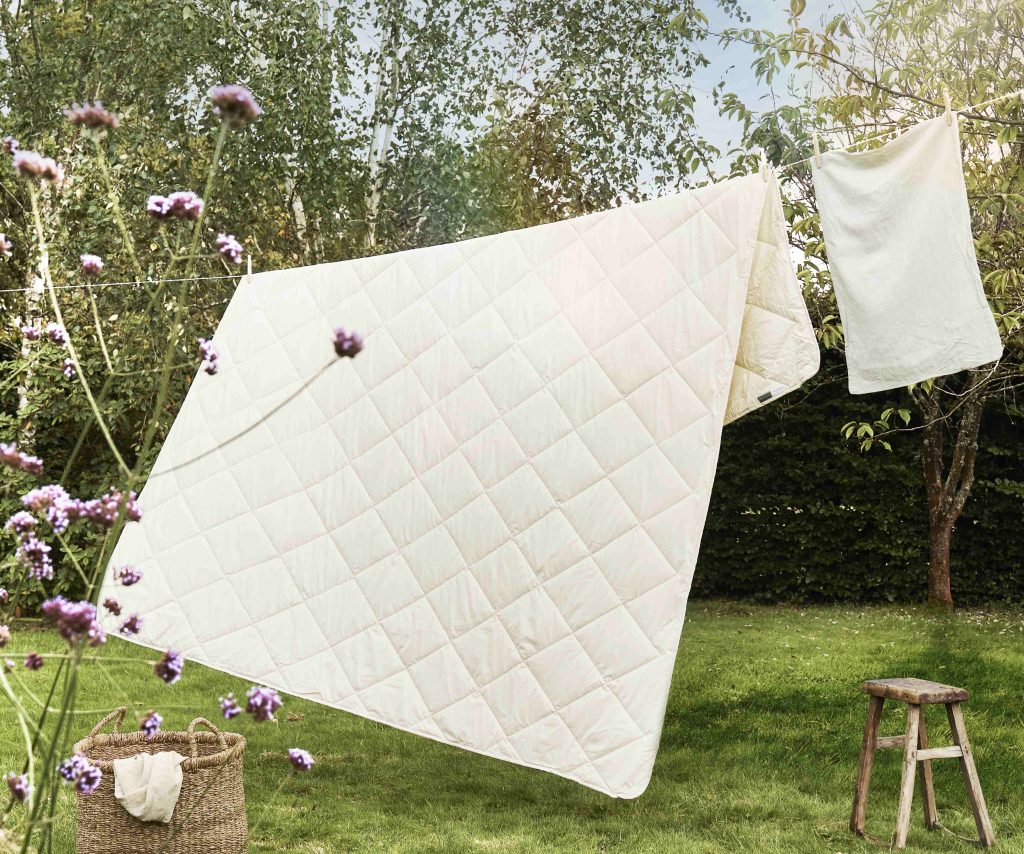
For wool duvets and toppers, no washing is required due to wool’s self-cleaning qualities. As it is a naturally anti-bacterial fibre, wool prevents the buildup of any debris and dander that house dust mites feed off. Simply hanging it out on a line with some direct sunlight will do the trick.
Pillows
Your spring clean is a good time to consider a pillow refresh; I recommend replacing synthetic, feather or down pillows every one to two years, whereas wool pillows don’t need to be changed as often due to their ability to breathe and manage moisture. Common signs are if your pillow begins to smell or is turning yellow – a result of sweat from your head – or if it is proving uncomfortable for your head, neck or shoulders. Users can test pillow health by folding it in half and releasing it. Should the pillow ‘spring’ back, it is fine to continue using; if it remains folded however, it has lost its support and it is time for a new one.
- Declutter your space – and mind!
Clutter in the home is proven to negatively impact mental wellbeing, as mess can lead to sensory overload and elevate stress hormones. Physically, dust and allergens can easily get trapped in piles of clothes and other belongings, exacerbating the problem. Maintaining a clutter-free, minimalistic approach to your sleep space can therefore help to promote a sleep environment that’s more conducive to rest.
Start by removing everything in your bedroom that doesn’t bring you joy – be that books you don’t intend to read, clothes you don’t like, old magazines or dead plants. Do a general sweep of your room with two bags; one dedicated to the bin and one to charity donations. Once you’ve cleared the clutter away, give the surfaces a wipe with antibacterial spray and a damp cloth. Make sure to hoover up any debris, paying particular attention to the area underneath your bed, as dust and dead skin commonly build up here.
In a recent study, 96% of participants said they felt more productive and motivated after cleaning, so by following these simple steps as part of your spring clean, you should be able to enjoy a better night’s rest as the seasons change.