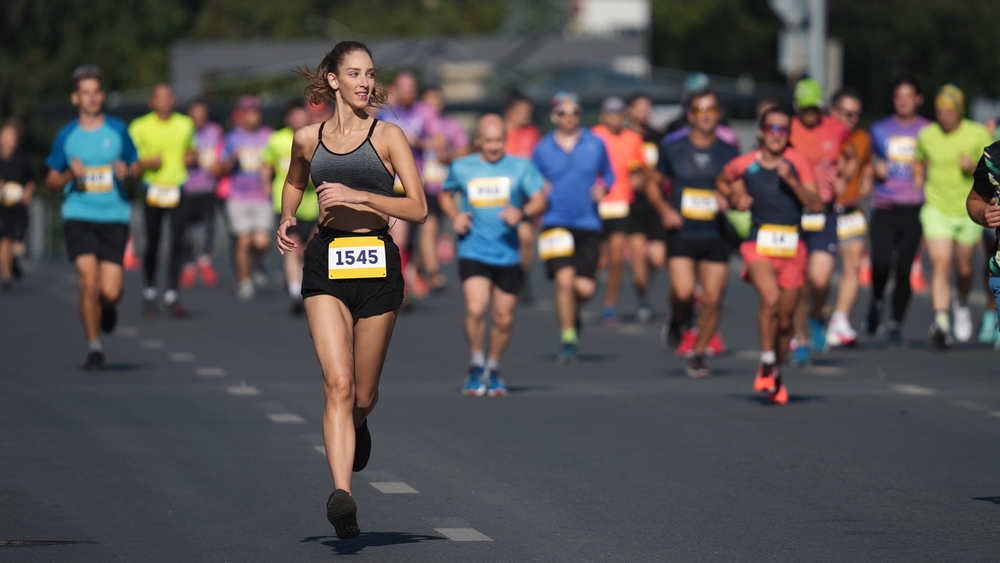
Many of us have experienced the struggle of tossing and turning the night before a big event, and with months of intense training behind them, these runners are no exception.
Amidst the excitement and nerves ahead of the race, sleep often takes a back seat to other race preparations like finding the perfect trainers and fueling the body for optimal performance. However, don’t underestimate the power of quality rest in the days leading up to the half marathon. It’s not just about physical readiness, a well-rested mind is essential for making sound decisions during the race too.
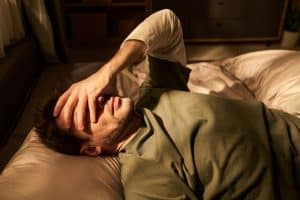
If you’re thinking an early night might be best for you, think again. A sleep expert has warned that this strategy along with some other common approaches might be counterproductive.

Bensons for Beds’ resident sleep expert, Dr Sophie Bostock said:
“The night before a big event it’s tempting to go to bed early, in the hope of extra shut-eye. But this is likely to be a mistake! If you change your routine, your internal body clocks may not be ready for sleep, and you may not have accumulated enough sleep pressure during your waking hours to drop off. So you lie there.. worrying about what happens if you can’t sleep; what if you trip up, or forget your words? Worrying about not sleeping can activate your ‘fight or flight’ stress response, and make you feel even more alert.”
So what should you do instead?
“If your mind feels active, divert your attention towards a visualisation exercise. Picture yourself succeeding at the event tomorrow.. what will you see, hear, smell or touch? How will you feel when everything goes to plan? Immerse yourself in this positive scene in as much detail as you can, and enjoy the emotions. Mental rehearsal is often used in sport to help develop confidence before a competition, but it can also be used as a distraction to reduce anxious feelings and develop the right mindset for sleep.”
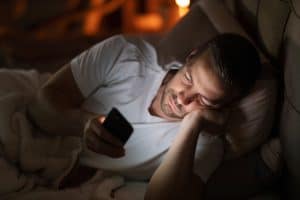
“Don’t try too hard.. The harder we try to sleep, the more elusive it becomes. If you don’t feel sleepy, don’t get into bed. Do something relaxing under dim light – read a favourite book, listen to music or even watch a romcom on TV. Only get into bed when you feel sleepy or tired. Don’t worry if this means going to bed a bit later than normal; a bit of a delay can create a greater ‘hunger’ for sleep, which may help you to fall asleep faster.”
If you’re still cramming in some extra miles before the big event, Dr Sophie advises: “Movement is one of the signals to our internal clocks that it’s daytime, and time to be alert. Being physically active in the early part of the day can help align our internal rhythms with the light-dark cycle of the sun, and help us to feel naturally sleepy at nightfall. Physical activity late at night however can delay the clock, so it’s recommended to stop intensive exercise at least an hour before bed.”
And before you reach for that cup of coffee or tea over the next few days, consider this caution from Dr. Sophie: “Caffeine temporarily boosts alertness, especially when we’re sleep deprived. However, you’re really only borrowing energy from later; when the caffeine clears you can get hit by a ‘caffeine crash’. Caffeine can make it harder to fall asleep and stay asleep, and reduce the amount of deep restorative sleep we get. It’s recommended to avoid coffee and energy drinks 9 hours before getting into bed to protect your sleep.”
For more sleep expertise from Dr Sophie Bostock, visit the Bensons for Beds Sleep Hub.